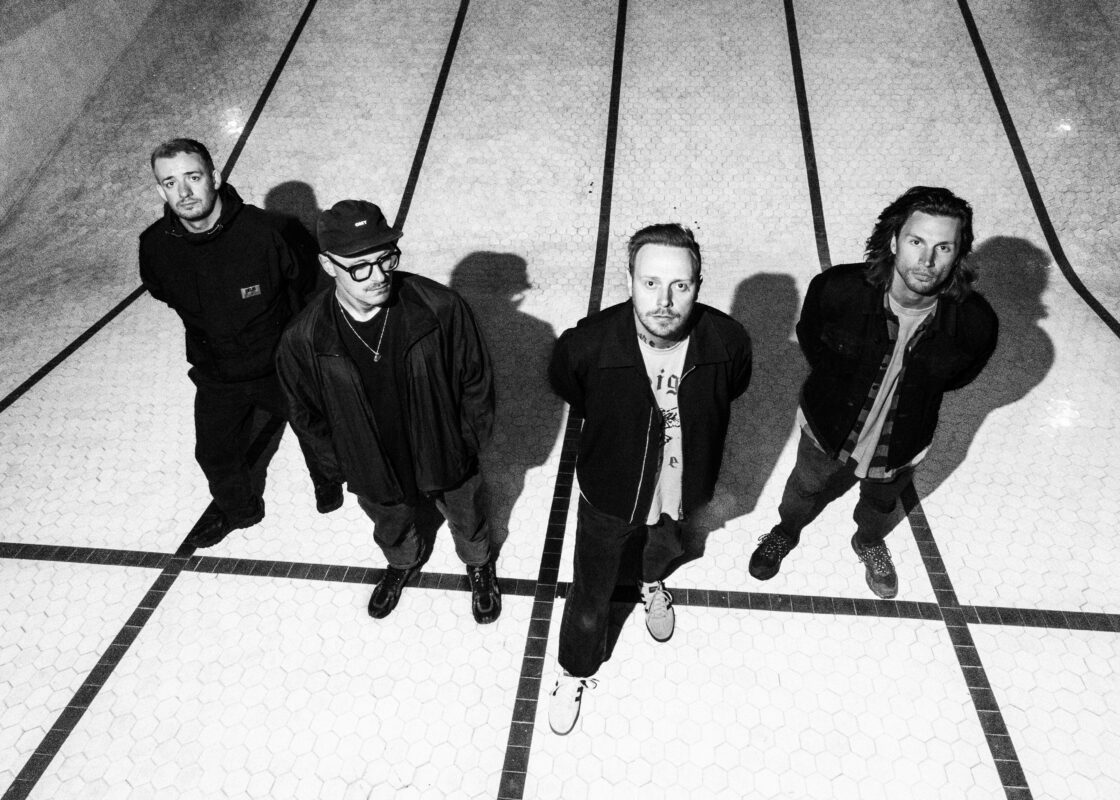
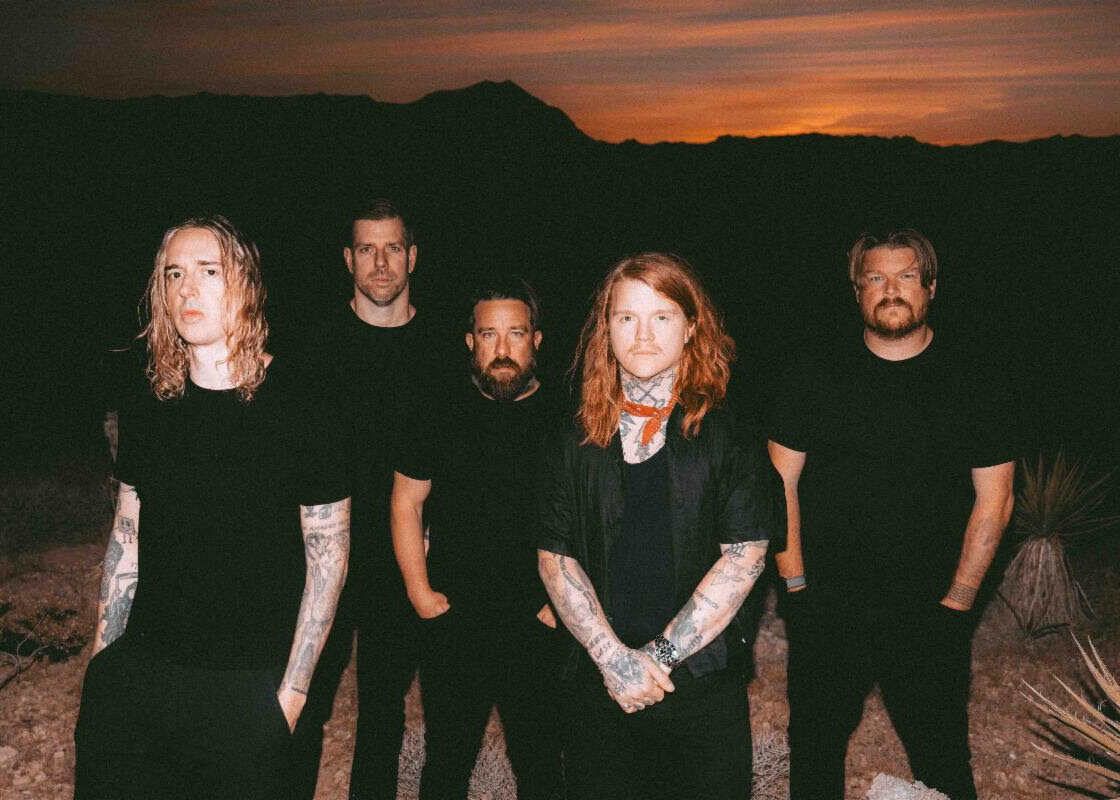
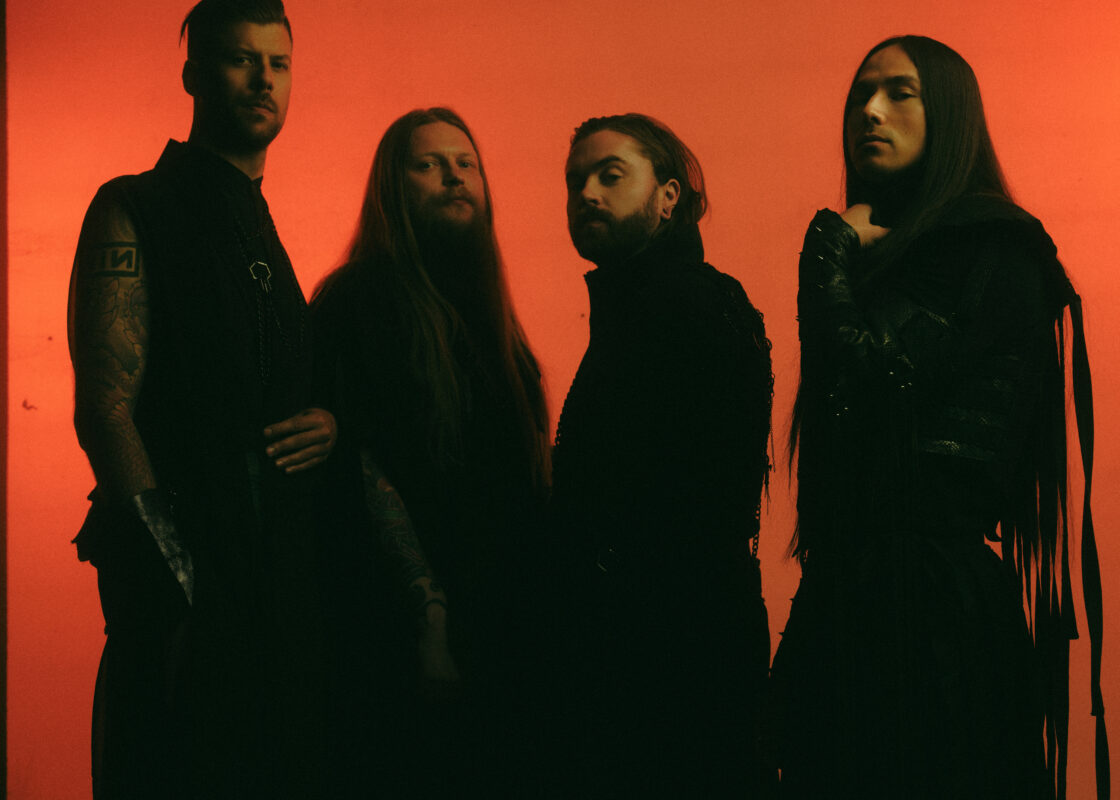
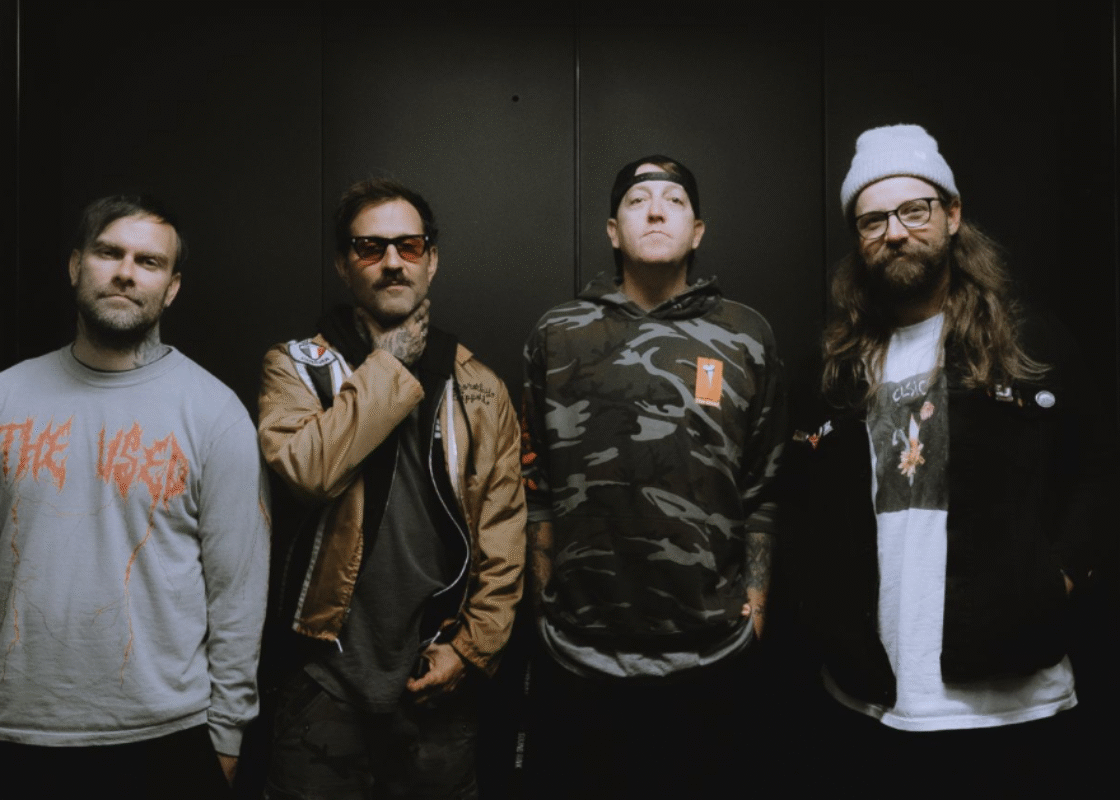
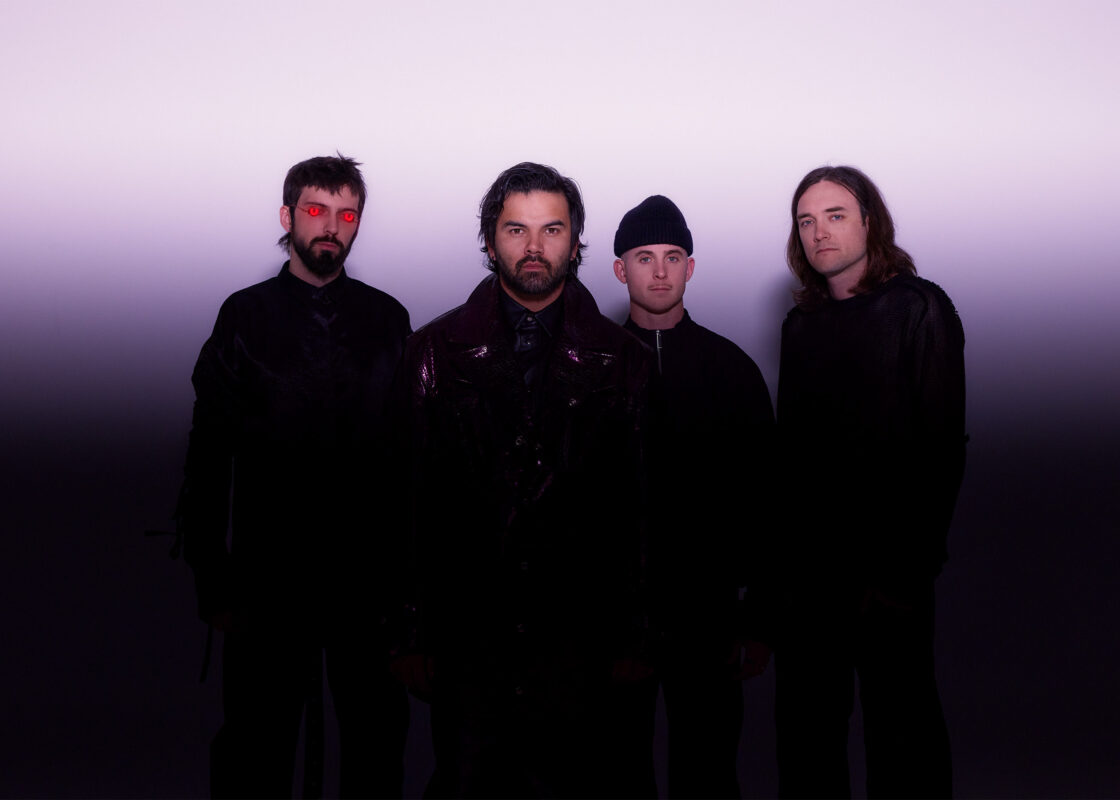
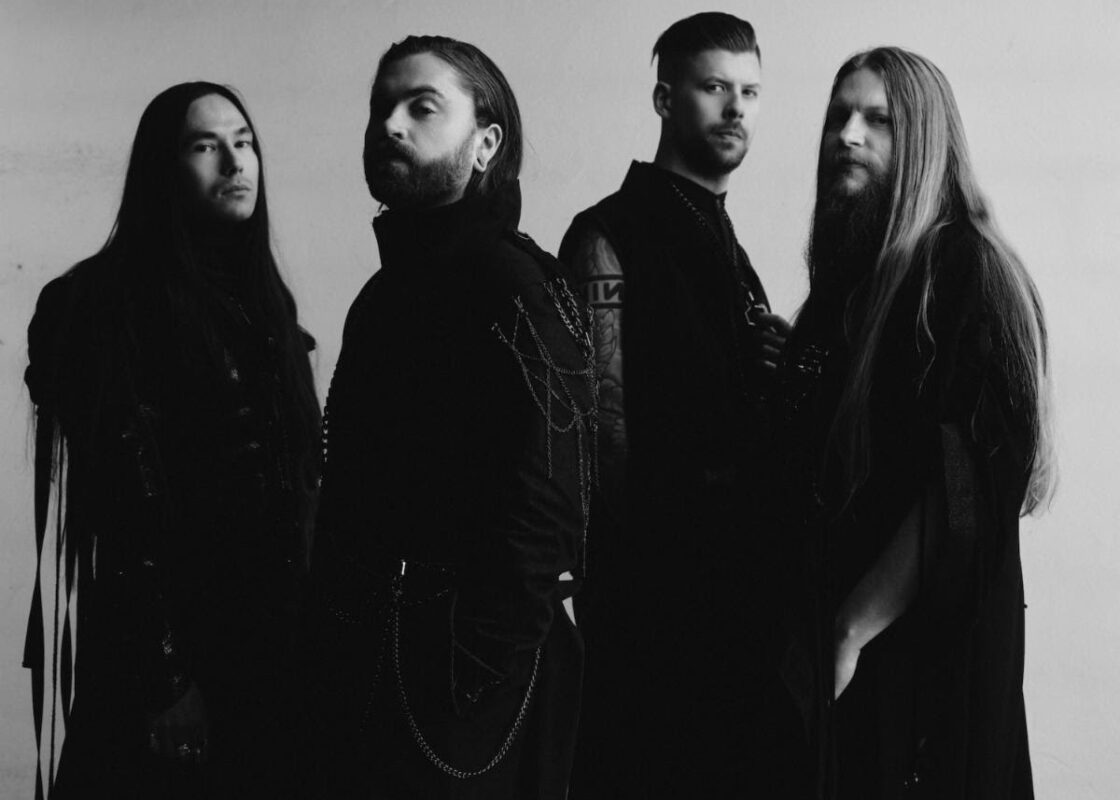
Wolves at the Gate is a household name in metalcore, known for their boldness and unshakable roots in the gospel grace of God. From those roots grows a stronger and more wild love for creation that leaves its mark in every new release, including their sixth full-length album, Wasteland.
A fearless plunge into the psyche, Wasteland isn’t just an album title—it’s a condition of the soul the band explores in new depth. Shaped by years of global unrest, spiritual struggle, and personal refinement, the record doesn’t hold back. It’s their heaviest work to date, but not in the way fans might expect. Yes, the guitars still bite and the choruses still fly, as is true to the band’s core, but there’s a deeper ache here—a prophetic weight that hums beneath every lyric and layered scream. Wasteland doesn’t just hit hard and tell a story we’re all characters in from time to time, it exposes what’s broken on a universal level and finds rest solely in redemption.
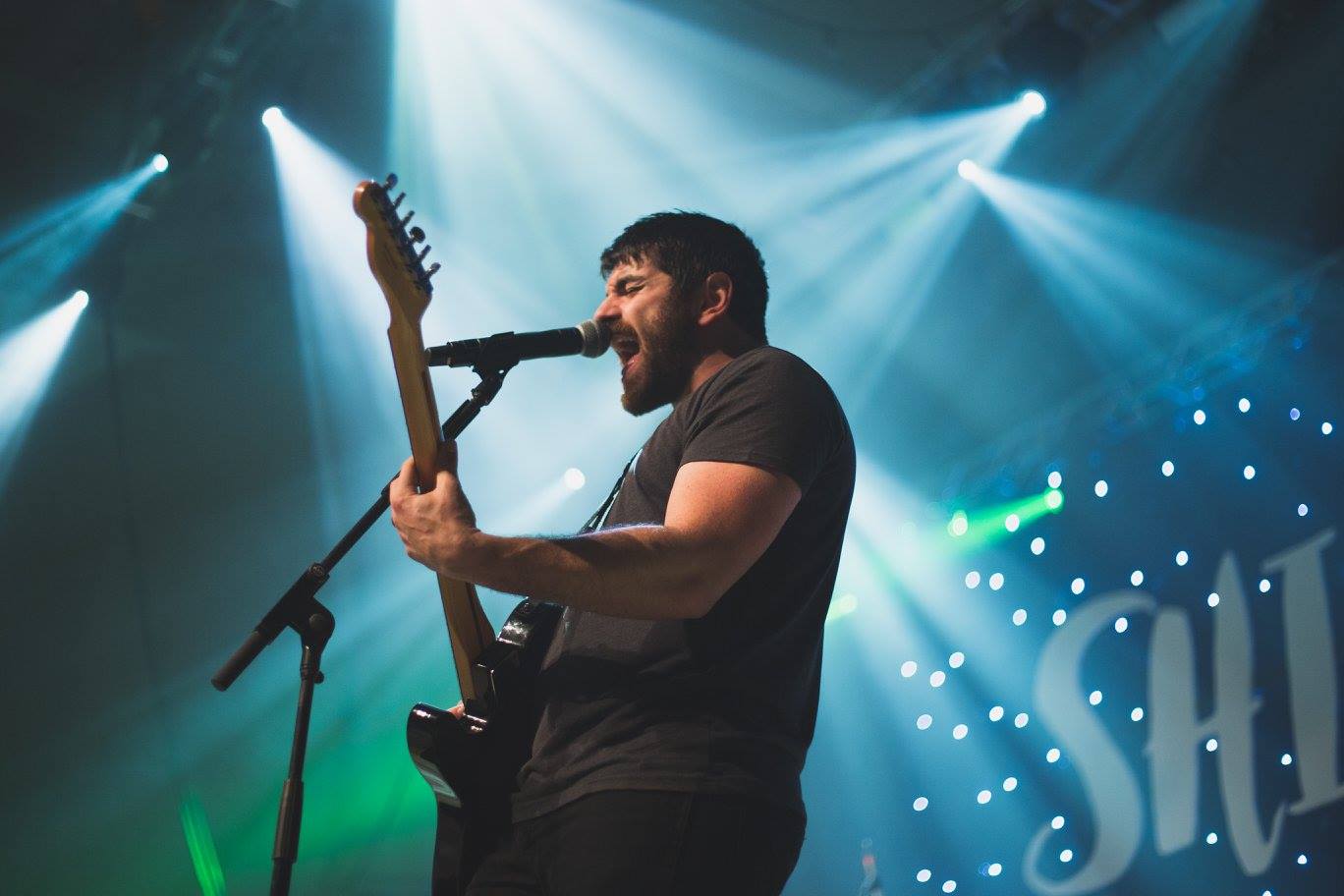
The record also marks the next evolution in Wolves at the Gate’s discography: cinematic, volatile, and bracingly honest. Vocalist and guitarist Steve Cobucci spoke with us about how he found himself writing some of the most spiritually raw lyrics of his career—torn between lament and longing, and anchored in the gospel all the same. “We all can just tend to live like we just are fending off the dark, with whatever vice or temporary comfort we may choose. If the scales were lifted from our eyes and we stopped desensitizing ourselves for a minute we would find that we live in a world that is unlivable,” he says. “What gives you hope? What brings you peace? Is there hope in the Wasteland? It appears that there isn’t, but in order to see it we must look outside the Wasteland.”
Despite the real and poignant truth of the mental warfare mankind wakes up and faces every day, Wasteland isn’t hopeless. It’s urgent. It’s curious. And it’s Wolves at the Gate doing what they’ve always done best: putting truth, suffering, and art into conversation—and trusting that beauty still breaks through, even when everything feels desolate.
Hey hey! I have not spoken to you in—I counted—nine years. It was when Types and Shadows came out. So it’s good to talk to you again.
Wow, yeah, I remember that. It’s good to talk to you as well.
Let’s jump right into it, if you’re cool with that. The new album is out. Overall, just give me your hot take. What are your thoughts? How’s it feeling? How’s it going? Did it turn out how you wanted?
Yeah, I mean, with this one in particular, there was definitely more of a sense of not knowing how it was going to be received, for a number of reasons. We’re trying to do something different on a lot of different fronts—lyrically, musically, thematically. And we’re really happy with how it’s landed. A lot of people are saying it’s their favorite album from us, which is really exciting, especially having been a band for so long. People are really digging into the concept and the story we’re building out, so that’s exciting. In a lot of ways, it feels validating and helps us feel like we’re on the right track.
I’ve always loved storytelling in songs, but it’s hard in just a single track to expand on the whole idea I have. At first, it was like, maybe we’ll do a couple of EPs or something, but then I realized we should slow down and take our time with it. That’s how everything developed from there.
Speaking of the concept, is there a moment, or even just one line or one musical moment, where the concept of the album really clicked for you or came to life?
Well, the reality is I didn’t really start working on the lyrical elements of the songs until I’d finished writing out the whole story outside of the music. A lot of the music wasn’t created until after that. Every time we finish an album, you’ve just spent the last two to three months recording everything, and it can be a grind—lots of takes, slow moving. So I get excited to get back to the creative end of things. I wrote a ton of songs and started noticing in a lot of them there was a certain darkness and different sort of mood. It made me step back and think about how I could approach songs that sound different and feel more cinematic.
I’ve always loved storytelling in songs, but it’s hard in just a single track to expand on the whole idea I have. At first, it was like, maybe we’ll do a couple of EPs or something, but then I realized we should slow down and take our time with it. That’s how everything developed from there.
Yeah, I actually made a note when I was listening to it and used the word ‘cinematic’. There’s that particular kind of weight to some of these tracks and I was wondering if it was more narrative or visual while you were working those out. All the textures, the interludes, the electronic textures—they play a much larger role. How does that surface for you as a writer?
Well, I started thinking about it because I’d watch movies with my wife or shows, and I always paid attention to the soundtracks. Over the past five years, I’ve found myself stopping a movie because I’d hear a transition from one scene to the next, the way the music sounded, and I’d go back and listen to it again and again. It was inspiring in a way I didn’t anticipate. Normally, a lot of my inspiration comes from bands, but as I’ve gotten older, I’ve been finding inspiration in movies and physical artwork. The cinematic element definitely came from me re-listening to scenes where the music was so powerful and helped deliver the feeling or the moment.
If I can take us down that rabbit hole for a second—I’m such a film score nerd—do you have a favorite right now?
Well, when the Dune movies came out, that was a whole new, fresh inspiration for me. I’ve always loved other sci-fi movies like The Matrix or the original Blade Runner, and the newer Blade Runner 2049. I’ve always felt like those movies had a sound and a weight to their soundtrack and scoring that’s so unique. It scratches an itch for me somehow—I don’t know how, but it does.
I totally get that. I end up listening to the Oppenheimer score when I’m working. It turned into my most listened-to artist/album of the year on Spotify (laughs).
That’s amazing. Well, yeah, that’s another great soundtrack. Interstellar—oh my gosh. There’s a song from Interstellar, I forget what it’s called—something in the field—but it’s one of the most beautiful yet haunting pieces. It fits the dynamic world of music we make and makes me think about how I can bring that into our world.
You also started a lot of these songs with more acoustic or broken-down musical concepts. What do you think stuck from all those raw iterations, and what did you have to let go of to get to the final product?
Yeah, a lot of it is letting go. A lot of times I’ll create a song and end up removing a lot of guitar elements because they might distract from delivering the emotion. I’d write these songs, build them out, and then start adding synths and synthetic elements. I found myself turning down some of the guitars and realizing maybe the synths should carry the melody instead of the guitar, because it’s just a different way to package the melody and elicit a different feeling. That was very different from anything I’d done before.
When I think about the greatest commands Christ gave, one is “Do unto others as you would have them do unto you.” But we often express the exact opposite. Selfishness is the antithesis of that command. The most horrific things in the world—from the breakdown of relationships to global horrors—stem from that same bitter root. That’s what I’m trying to capture in this world.
And just kind of shifting over to vocals a little bit—your clean vocals feel different on this one. I don’t even know how to describe it. How did you push yourself emotionally or technically for those?
Vocally, as a musician, you have so many instincts that come naturally. Sometimes I’d hear a melody I liked, but it felt like something I’d done before. I wanted to push myself to make something different because that’s honestly the most fun as an artist—when you make something that feels like you didn’t even create it. That’s what keeps making music exciting and fresh.
I know the ways I tend to build melodies, so I’d consciously tell myself, “Don’t do a lead-in line this way,” or, “Try fewer syllables,” just giving myself different parameters. It was a lot of trial and error until the melody matched the feel and tone of the song. Other times, I’d already have the melody and build everything backward around it.
Absolutely. Even when you study songwriting, it ends up feeling much more free to have one or two parameters than a blank canvas.
Yeah, it’s interesting you say that because I tell that to a lot of people, and I can tell they’re confused. But when you think about music, there are twelve notes in an octave. It seems limited, but when you’re making something, it can feel limitless, and that can be crippling. That’s something I changed a lot during this album’s process. With the concept and trying to create a story and narrative, songs had to fit certain places. I put parameters and guardrails in place, thinking, “Hey, this song has to do this.” It was so helpful because I knew what I was aiming for rather than just throwing stuff at the wall to see what sticks.
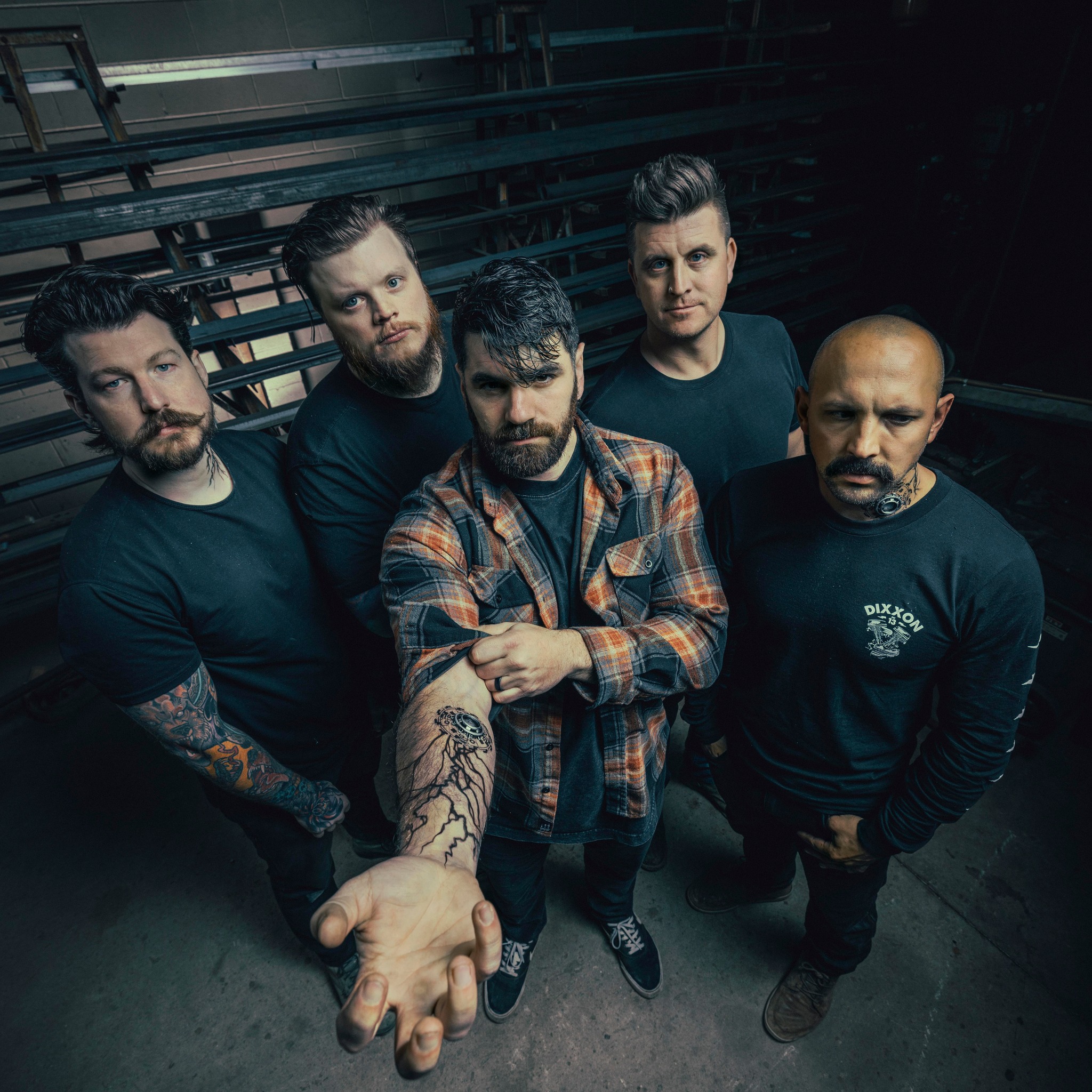
You’ve also said Wasteland as a concept is kind of a place you feel drawn back into, even though it’s not a great place. What does that place look like for you, and has it changed for you over the years?
It’s kind of always been the same thing if you think about it in a macro way. The wasteland is supposed to be a picture of living lawlessly or selfishly. When you live selfishly, you create your own rules to get what you want. Everybody lives that way at certain times, embracing a mentality of self-preservation.
When I think about the greatest commands Christ gave, one is “Do unto others as you would have them do unto you.” But we often express the exact opposite. Selfishness is the antithesis of that command. The most horrific things in the world—from the breakdown of relationships to global horrors—stem from that same bitter root.
That’s what I’m trying to capture in this world. Even when we live like that, it’s never satisfying. It’s like in cartoons, where there’s a mirage, and they think they’re going to get water but are just eating more sand. It’s always promising but never delivering. One of my favorite songwriters, Dustin Kensrue, wrote a song called “It’s Not Enough,” which encapsulates how selfish living promises fulfillment but never delivers. That’s what the character in the album is experiencing—living in the wasteland, where everyone’s an enemy and a potential threat. There’s no room for compassion, love, or considering others above yourself. The result is you’re surrounded by people living the same way.
Forgive me if this is out there, but is this inspired by T.S. Eliot’s “The Waste Land” at all?
No, I’m not even familiar with what that is. Now I’m intrigued—I feel like I’ve got to read it.
Yeah, I mean, I won’t get into it here, but it’s definitely worth a read and feels quite fitting. And what you were just saying also reminded me of C.S. Lewis’s “Mere Christianity” because of the way he talks about pride—it’s the only sin that’s never satisfied with anything, just more. I’m totally butchering that…
Well, I think Lewis is probably one of the most brilliant theologians and philosophers I’ve ever read. His understanding of humanity and the human condition is profound and brilliant. Part of what I’m trying to unravel in the wasteland is an honest look at humanity—asking, “What are we like by nature?”
In the album, the character is almost trying to justify himself, but he’s depressed at the end of most songs. By the time you get to “Smoke,” he’s trying to hide the fact that the way he’s living is evil. Eventually, he reaches the point where he can’t hide it anymore. That’s where his world starts to unravel, and he begins questioning why he embraces living this way.
There’s this element of… I don’t know. I know the album is a narrative, a story you’re telling, but is there any element of confession from you all as a band in it—or from you personally? How do you balance self-confession with confronting true cultural issues?
The way I look at it, you can study humanity, or you can use yourself as your greatest test subject. The reality is I’m not a literal murderer, but I’ve had a murderous heart. I’m not a habitual liar, but I’ve lied to preserve myself. Everything that makes us ugly, I’ve experienced my share of it. I see how those things either rise up in me as desires or things I’ve succumbed to.
Everything I’m writing about, whether it’s society or humanity, is just a mirror. I see how it’s expressed in the world, but the most powerful way to communicate it is through what I see in myself. I know me better than anyone else does, and I can’t know someone else’s heart. My hope is to be willing to expose these things, not just to be a martyr, but because I want to point people to hope in Christ. If I can’t be honest about my weakness, inability, and sinfulness, who’s going to listen to me?
I want people to know about a present and future good they can have in Christ. I feel passionate about people hearing and knowing that. Music has been a powerful vehicle for delivering that truth to me in compelling ways—ways that challenge how I see myself.
In certain songs—I think “Synthetic Sun” in particular—there’s this balance of cultural critique and lament. As an artist and a believer, how do you personally hold the space for doubt, rage, and lament without losing sight of hope?
I want to embrace what’s true and real. When you don’t, you start to struggle psychologically. Reality is truth, and truth is reality. If you’re not living within reality, it’s difficult to exist in this world.
I need to come to terms with why the world is the way it is. Without those answers, it can make me angry or question my own morality. Why am I the way I am? Why does it seem like the wicked prosper? Why do crooked politicians seem to get away with things? If you don’t have answers for those questions, the first thing that happens is you start to hate God and hate others.
That’s where knowing the truth is powerful—it gives me a framework to look at atrocities and injustices. We’re living in a crazy time right now. People need to know how to deal with having leaders they don’t agree with or how to cope with global crises. If you don’t have answers, it’s difficult to find peace. What we’re trying to push people toward is a comfort that can’t be shaken, which is why we want to point people to Christ. The reality is this world is broken, but we can entrust ourselves to a God who is good, despite living in a world filled with broken people—including ourselves.
I love that. I’m fascinated by this idea lately: What is the purpose of art? Are we creating to escape? Does art keep us from what’s true and real? Some philosophers think art isn’t good for humanity because it distracts us from truth. Plato believed that—he thought it was a form of imitation that just put space between us and actual truth and virtue. But the imaginative apologetic of it all is so important. That’s honestly what I’ve always loved about your music—it’s raw, vulnerable, creative, but also anchored in truth. What’s your perspective on art’s role in all this?
I really appreciate that because it’s exactly what we’re trying to do. We’re using art to help people make sense of guilt, sin, despair, brokenness, and hope. These are words that float around in the world, but they often lack clear definitions. Hope, for instance, is often described vaguely, but biblical hope is a future certain good.
I want people to know about a present and future good they can have in Christ. I feel passionate about people hearing and knowing that. Music has been a powerful vehicle for delivering that truth to me in compelling ways—ways that challenge how I see myself.
The biggest issue of unbelief is not believing that God is good. I think the arts were made to show that and put it on display. I’d disagree with those who say art can’t or shouldn’t be used for that. Art can also just be entertainment—and that’s great—but to say it’s not good for showing truth is a wild take for me.
A band that did that for me was As Cities Burn. Their first album, Son, I Loved You at Your Darkest, embraced a side of myself I wasn’t willing to see. I’d been hiding behind self-righteousness, but they were unmasking their own self-righteousness in those songs. It felt like they knew who I was, but they were just being honest about themselves.
That was inspiring because they weren’t pointing me to become a better person; they were pointing me to hope and rest in Christ. Their songs weren’t saying, “Rise up and overcome,” but rather, “Run to the One who has risen and overcome everything for you.” That’s what we want our music to do—to point people not inward or toward us, but toward Christ and the great hope they can have in Him.
The biggest issue of unbelief is not believing that God is good. I think the arts were made to show that and put it on display. I’d disagree with those who say art can’t or shouldn’t be used for that. Art can also just be entertainment—and that’s great—but to say it’s not good for showing truth is a wild take for me.
Yes, especially coming from such a divine creator. So, what would you say is the answer to the wasteland—the land of selfish people living selfishly for themselves? Beyond this album, beyond the music, what is the answer to you?
For me, the hope is for people to see that there’s a wage for sin. In the story, the character starts to realize that you earn something with sin—you’re demanding a payment, and that payment is death. The reason we fear death is because it has a sting. Everyone knows that death has a sting—not just because we cease to exist here, but because we know we have a Creator and will have to face Him as sinners. That’s terrifying.
The character realizes he wants that sting taken away because he knows who he is and what he’s earned. Throughout the album, the gospel hope and promises get louder and louder. At the end of the first track, “Pain,” the message is distorted, representing how the world is full of noise. But within that noise is the message that God has sent the Curse Breaker.
As the album progresses, the message becomes clearer: the character needs to go find the Great Physician and receive the healing he needs. That’s what we’re trying to point people toward—hope in Christ. He’s a Savior who takes away the sting of death because He took our death for us. That’s why we can say death has no sting—because Christ was stung for us. That’s the goal of what we’re trying to convey on this album.
As you’re talking about all this, I feel like I just keep bringing up more books (laughs). But it’s like “Pilgrim’s Progress” to me.
Yeah, well, a lot of the concept is loosely inspired by “Pilgrim’s Progress.” I love the idea of the story, the conflict, and the things the character deals with. We’re trying to build a whole new world but cater it more to the way people might understand the struggles of life today. There’s definitely inspiration from that, for sure.
And you mentioned some of the subtleties within the songs. It seems like everything about it is significant—even the distortion. So I’m going to ask kind of a production question. You worked with Josh Gilbert this time around. Was there something he brought to the table that maybe you didn’t expect? How was that collaboration process, and how did it push the album?
Yeah, the thing that was helpful with Josh is that, for the last two or three releases, we self-produced. That was a good change for us at that time because we really figured out who we want to be and didn’t have anyone telling us who they thought we should be. That was a challenge sometimes because people would say, “I don’t think that’s you guys,” and I’d think, “Well, we all want to do it—so it is us.” People might say, “This sounds like that,” and I’d say, “That’s fine—everything sounds like something.”
This time around, I was adamant about wanting to collaborate with someone else, to bring my ideas to them and ask, “What’s compelling to you?” I had a ton of songs and just sent Josh a Dropbox folder and told him to pick four songs that stood out to him. That’s what we worked on.
It was so easy working with him. He picked three songs we kind of expected, but then he picked one we didn’t think he would, and it turned into something we loved.
Which one is it? Can I ask?
“Parasite” was the track he picked. The song was rearranged and flipped around so many times, and it got molded into something more than we thought it could be, which was really exciting. Even when we were working with him and were about 75% of the way there, we had the whole structure, but he kept saying, “I don’t know, something’s off.” So we made some small changes and rearranged where certain things were in the song, and it just clicked. We all felt like, “Wow, yeah—that’s it.”
That’s what was really helpful about Josh. He brought helpful input to see a different path for the song. For the other songs we worked on with him, he was great at helping us realize the ideas we already had and elevate them. He also helped confirm, “Yes, this melody is good, but what if we think about attacking it this way?” Little things like that can make songs 10 or 15% better, which is exactly what we wanted.
Yeah, I know that people have all kinds of opinions about having an outside ear. And to your point, I think there’s definitely a time for that, but there’s also a time to regroup and just rely on the creative energy you all have as a band. So I don’t know, I feel like there’s a time for all of it.
That’s really why we worked with Josh. There are a lot of producers who want their fingerprint on everything, or they want to make you into something. But I remember one of the first things I asked Josh was, “Hey, you know our band because I’ve known him for a little while. What do you think we need? What would help us grow musically?” And he just said, “I don’t think it’s a lot. Let’s just get into it.”
He didn’t see us as some sort of project he had to fix. He said, “You guys have lots of cool elements. Let’s just make the cool elements cooler. Maybe there’s a way we can repackage certain things.” He already had the mentality of wanting to help us be the best version of ourselves, and that’s exactly what I wanted. He used all his perspective and creative energy to that effect, and that’s why we ended up with a product we’re really happy with.
Yeah, that’s a good producer.
Yeah, 100%. He’s great.
I think what we’re really trying to do is give people pictures of what grace looks like.
So y’all have been a band now for a while. And I guess, like I said earlier, you’ve always had this thing about your band that’s been consistent for every album, whether it’s a personality, the way you present yourselves, the way you engage with the music, or the heaviness in both the sound and the subject matter. But how have you evolved? Looking back, even just from the last album, but honestly from the beginning, how do you think this band has evolved, and what’s the trajectory from here?
I think the way we’ve evolved is, hopefully, by growing in our understanding of how to communicate with people. We’re making songs—we’re not pastors of a church—and it’s important for us to understand that. We really want to meet people where they’re at as best as we can without compromising what’s true. Our hope is for people to find hope in Christ—that’s what we want. But we also understand that in the beginning, I made a lot of assumptions about what people understood. I used terminology or references that meant a lot to Christians but went over the heads of people who didn’t know anything about God or the Bible.
Over the years, we’ve realized we need to find creative ways to communicate the same truths. Christians sometimes misunderstand that truth is true—and yes, there’s power in God’s Word—but we don’t necessarily believe we have to say the exact same words all the time. Sometimes those words aren’t as easily understood by someone outside the faith. That’s what preachers do—they help people understand what’s being said. That’s all we’re trying to do: help people understand what’s being said in the Gospel.
To me, that’s the joy of my heart—to help people understand, regardless of where they’re coming from. That’s been the thing that has given me the greatest joy and comfort in my life, and it would feel completely disingenuous for me not to try to give that to other people.
Yeah, obviously both elements are important, but when it comes to understanding or interpreting vs. the application side of the gospel—do you feel like your music is more about one or the other, or is it a good balance of both?
I think what we’re really trying to do is give people pictures of what grace looks like. We want to give people pictures of what it means to experience real guilt—not guilt because you got caught doing something, but guilt because you realize it’s wrong before God. And once you have that feeling, you’re not hopeless. Everyone fears that feeling because they’re afraid of being condemned. But we want people to know that you can feel that conviction, agree with it, come to grips with it, and run to Christ for grace.
That’s what we really want people to see and know. Because even for a lot of Christians, they don’t want to embrace their failures. They may believe God loves them, but they don’t think God likes them, because they’re so convinced Christianity is about what you do. But that’s not true. Christianity is about what Christ has done, and resting in that and trusting that. I think that’s massively overlooked and missed in Christianity. That’s why so much of Christianity can feel like a show for other Christians—like Pharisees pointing at others, saying, “I thank Thee, Lord, that I’m not like this tax collector or sinner.” But the truth is, we’re sinners just like they are. We need grace in the same way.
So what we want to do is kick the legs out from underneath that belief system and just embrace Christ for who He is—the Savior of sinners.

Absolutely. I personally struggle with the idea of belovedness and realizing that it’s almost a slap in the face to God if we don’t accept that about ourselves. That belovedness is our divine origin, and to reject that is to only embrace our fall. It feels like an insult to His creation.
It’s also just what He said. If God says, “You’re my beloved,” then it’s done. It’s over. There’s nothing different than that. I think we’re always trying to find a reason to validate God’s love for us. But the beautiful thing is, when we look back at why God loved the Israelites, He said, “You were not many in number. There was no reason. I love you because I love you.” And that’s how He declares His love.
He loves anyone He loves simply because He loves them. He’s God. He doesn’t need anything. It’s out of the overflow of who He is that He’s loving. For us, it’s just about believing that, resting in it, embracing it, and enjoying the benefits of it. That’s what people mean when they use the word “glorified”—it shows Him to be as good as He is.
Well, that’s all the questions I have, but I always appreciate hearing from you in all these different capacities. Is there anything else that we haven’t talked about that you want to make sure gets in this?
No, we talked about probably a dozen things that I never get to talk about. So that was awesome.
I’m so glad. I love whenever the conversation can just get out of the box and riff on what’s good and what’s passionate.
Yeah, no, I appreciate it. I’m always grateful to have platforms where I can speak candidly, where people might understand it a little bit better.
Well, I appreciate you. I appreciate your band and everything you guys do, and for you taking the time.
You as well. Thank you. Thank you for your service to us—that’s really what you’re doing. So thank you. And I’m gonna read “The Waste Land.”
Yes, do! I hope you like it.