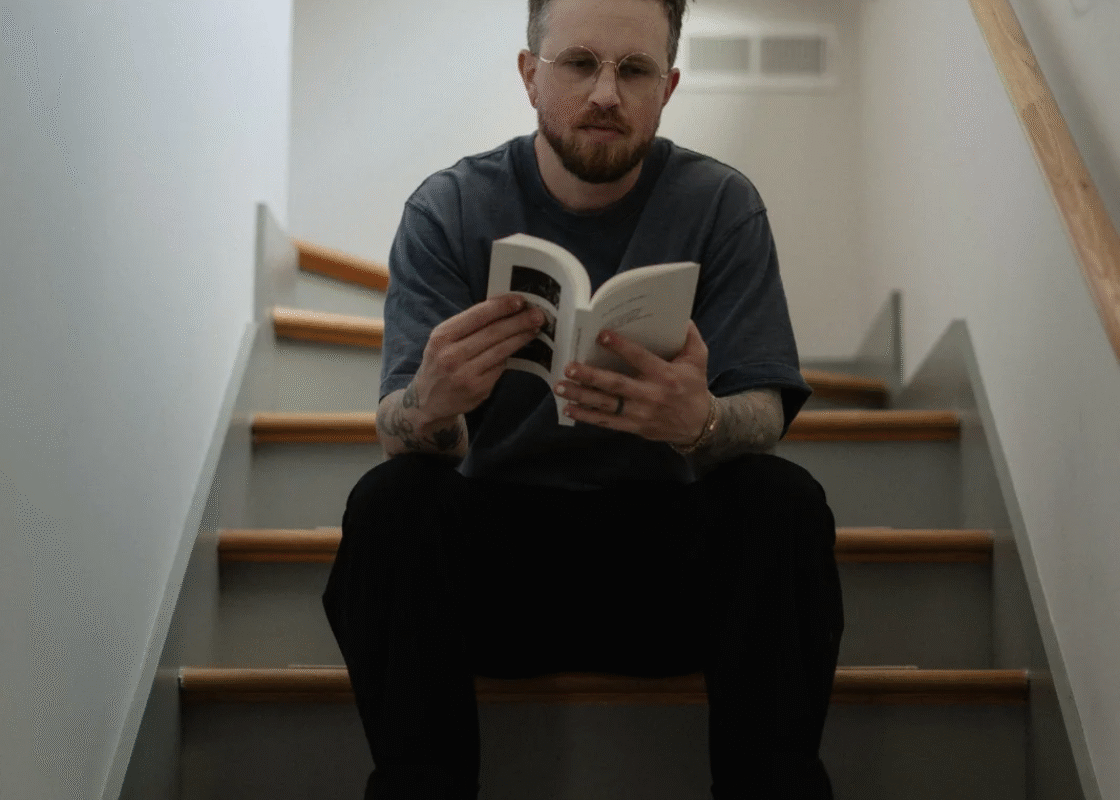
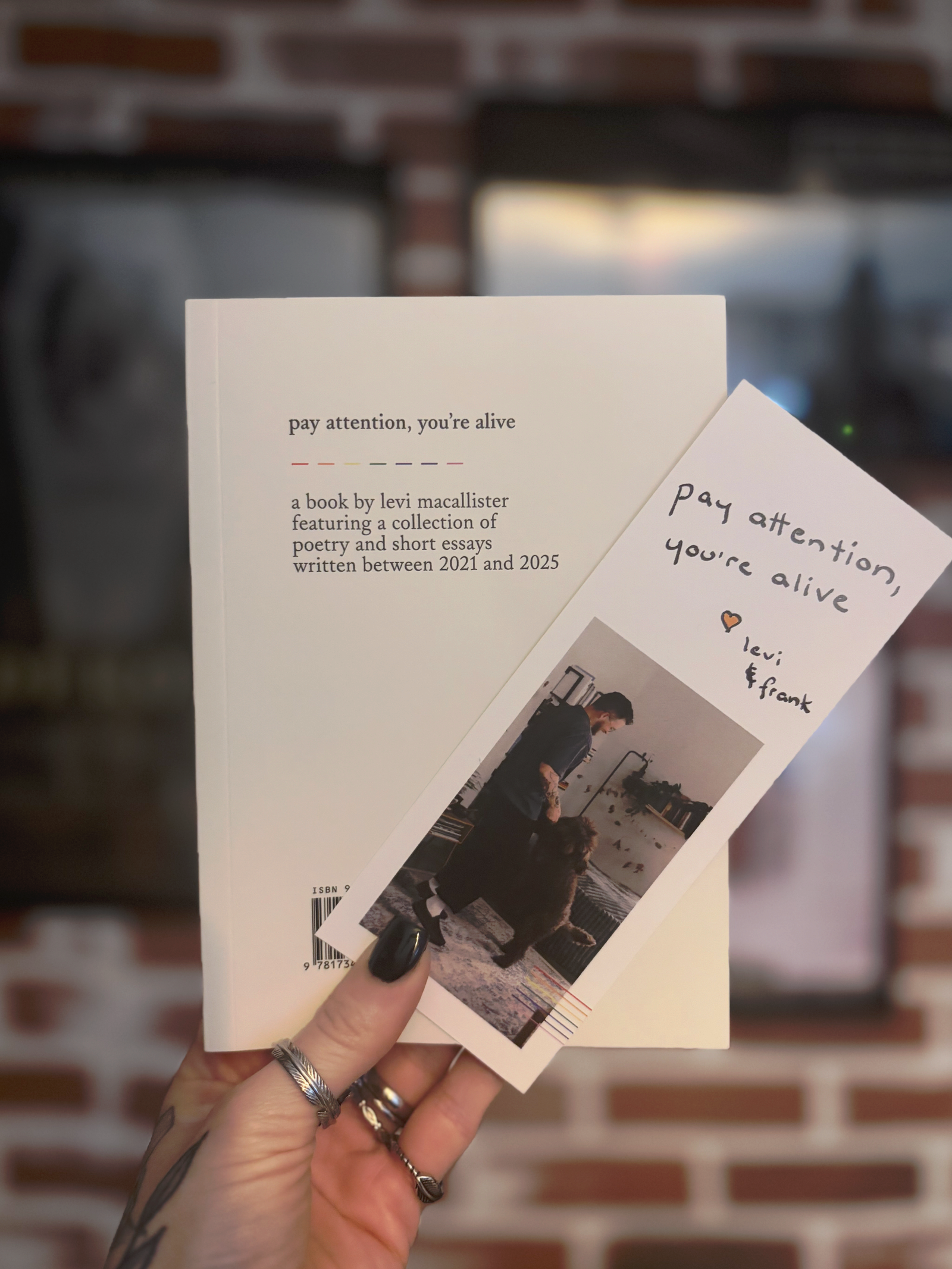
Levi Macallister, known by the moniker Levi the Poet, has gifted the world another offering in his new book, Pay Attention, You’re Alive.
Unlike past releases, this one was not planned but presented itself nonetheless. In its unexpected becoming, the book strikes a beautiful balance of raw and refined; not the signs of writing that’s been overworked and edited to death, but a natural outpouring of an artist who has surrendered, again and again, to seeing and being seen through his craft.
Six years after his first book, It’s All Worth Living For, Levi’s new collection sprung from a series of zines he put out in an attempt to ease the innate need to create during a season of absence. There was no theme, other than what existed in the world around and within him. And yet, the threads tied themselves from piece to piece once they were bound into a single anthology. Pay Attention, You’re Alive has been met with a warm, eager welcome from fans and friends, many of whom suggest that what they cherish most is Levi’s own journey, told in mixed media, of which this book is the latest piece.
Weighty and delightful, stunning and unvarnished, it’s a work of gravity and levity. Much like our conversation. In the first 30 minutes we somehow covered the music of our emo days, house shows, industry monopolies, the goings-on of life and learning, and what’s happened since our paths last crossed (and were also blessed with a cameo by the scene’s best friend Frank). We finally dove into the book, where the realness of how it came to be was paired with laughter, literary references, spiritual journeys, an abundance of imagery, and “what ifs” about a lot of it.
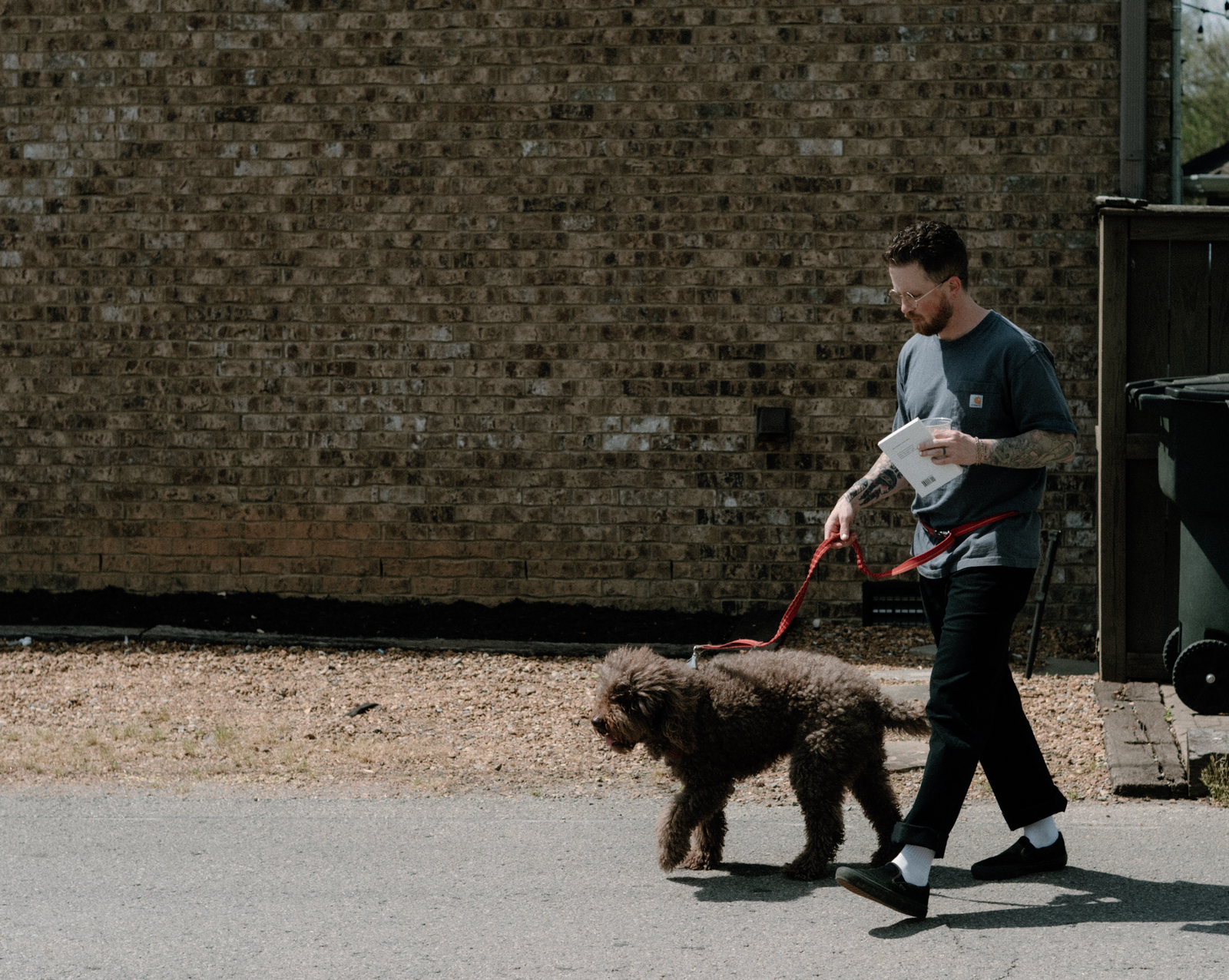
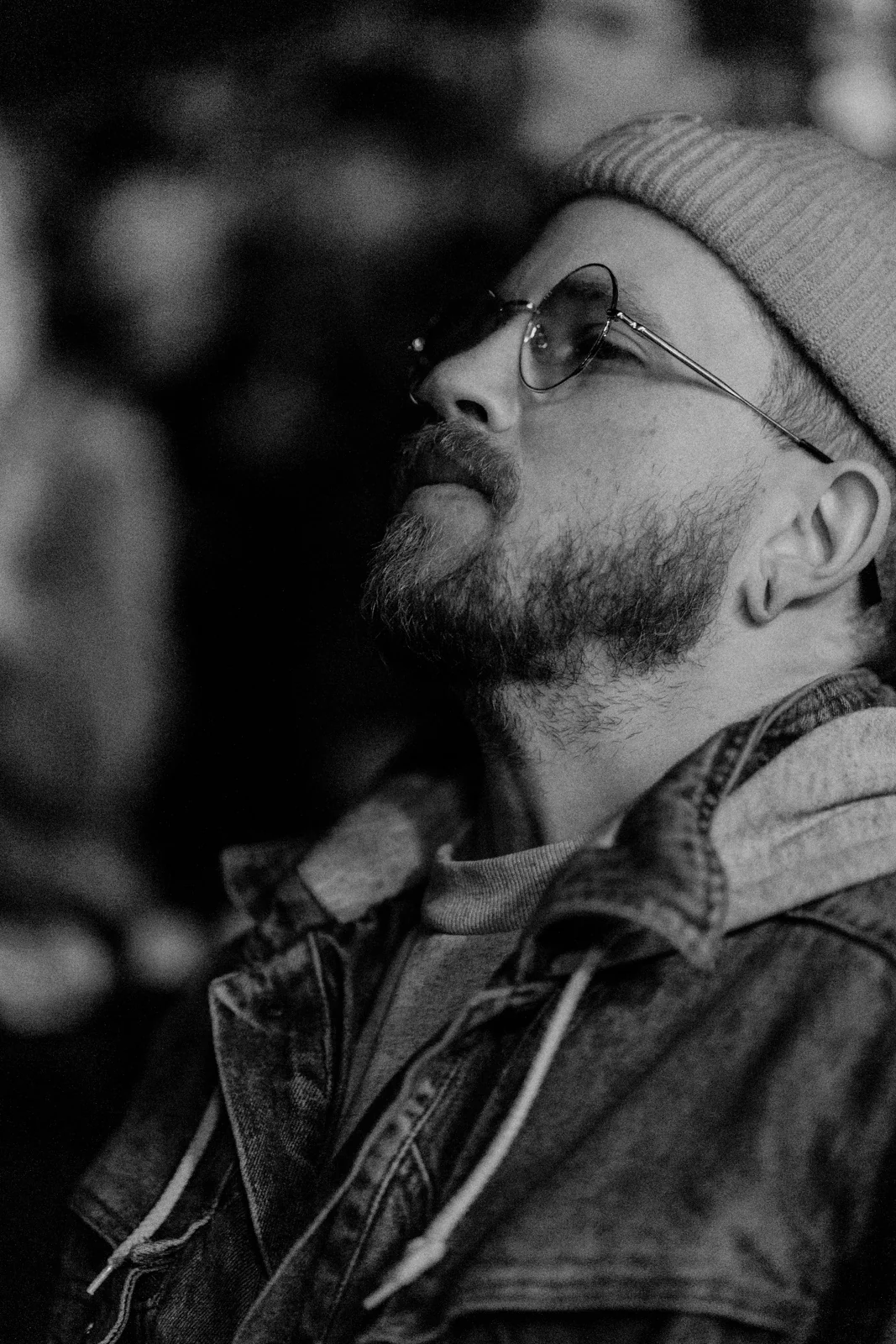
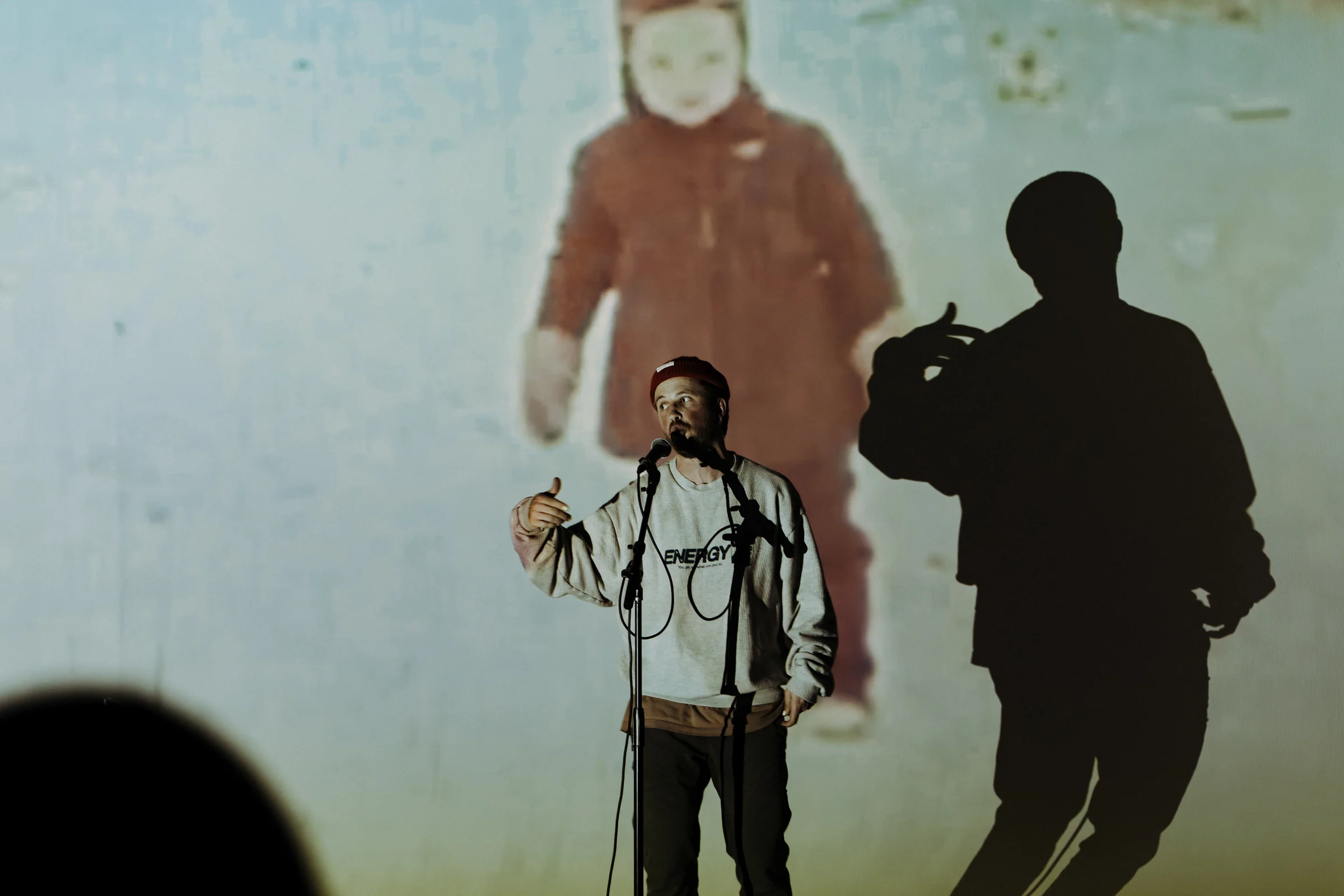
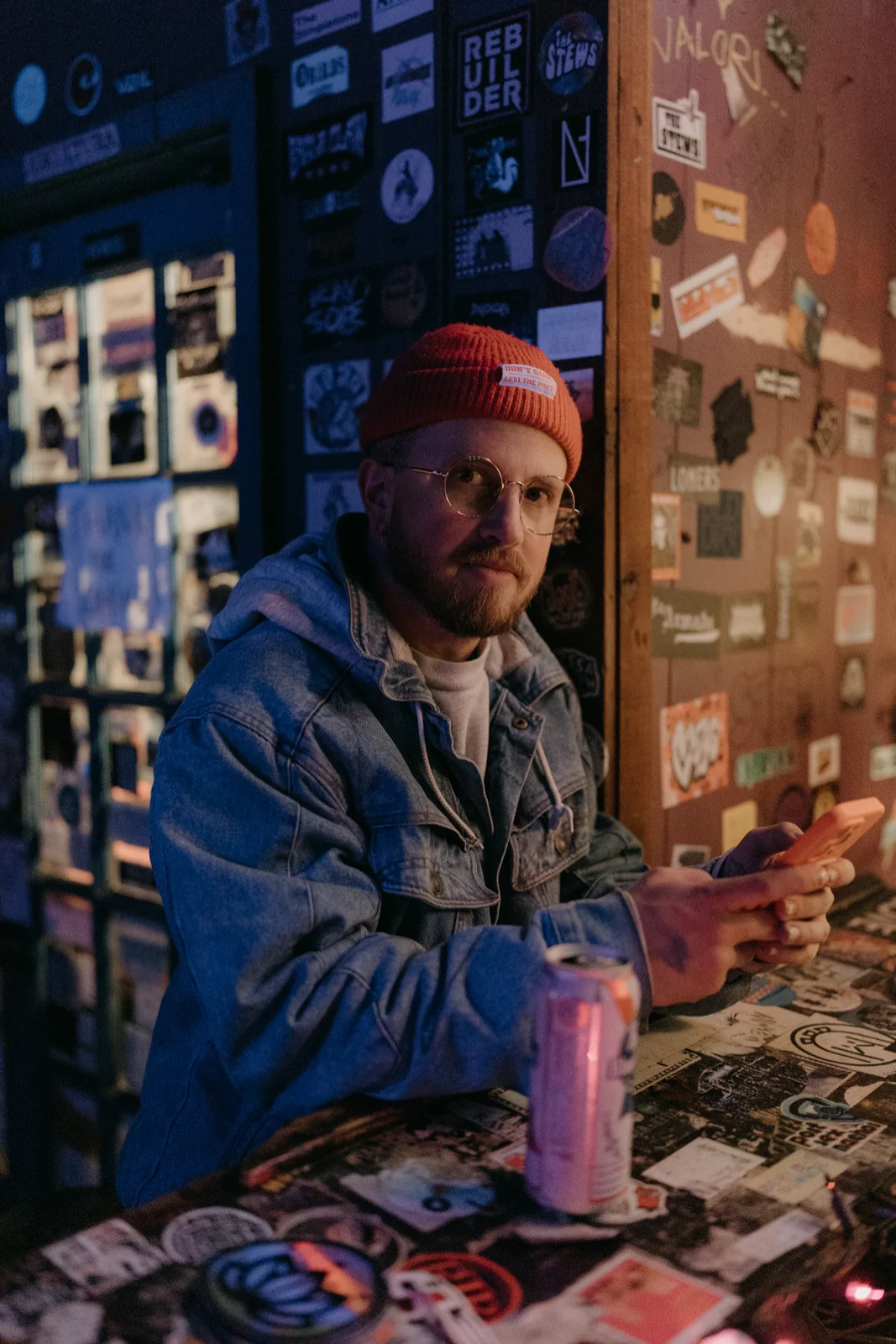
What’s perhaps most endearing about a conversation with Levi is the authenticity and generosity he gives to his answers—something which, from a poet, should be unsurprising. However, while he’ll always be beloved as Levi the Poet, the artist who bleeds on the page unapologetically and delivers his words so poignantly against the backdrop of music and in front of projector screens, it’s an even greater privilege to know Levi Macallister: the human, the friend, the seeker, the being and soul behind, within, and because of the art.
His new book is bursting with evidence that poetry is “language in service of the unsayable,” and that his attention really is the start of a devotion that so many have found meaning in over the years. As long as Levi continues to share his words, there will be with those who, because of his courage, can hear the last track or read the last page and exhale, “I am known.”
I thought about this conversation a little yesterday, and I try not to plan ahead too much. But, I’ve been having this conversation with a lot of my friends lately, and I promise it’s relevant: do you have an internal monologue?
Y-yeah? [Pauses] Yes, is my intuitive answer. I paused because, you know how sometimes someone asks you a question you definitely have an answer for, and then it disappears the second you’re asked? But yes, I mean, internal monologue, dialogue, cacophony, noise, chaos…
Voices and words in your head all the time [laughs]. Okay, so I’m one of the weird people who doesn’t have one, and I’ve had a really hard time explaining what’s in my head, because it’s not nothing, it’s just not words. I end up describing it like a black lake, and what bubbles up is meaning and feeling, and then I have to go find the words to wrap around it. All that said, since you do have an internal monologue, I want to know, how does that play into your imagination when you write (anything really, not just this book)?
That’s so interesting. I actually love your description of it. I assume it’s probably taken a while to refine and find the words, but I loved it. It was visual; I was out rowing out on the black lake, seeing the bubbles and all the stuff.
It’s also interesting you describe it that way, though, because I do find myself describing things visually to people, too. IFS and parts language has been really helpful for me in terms of describing my own sense of internal relationality. I’ll say something like, “Well, this boy did this thing,” and to anyone familiar enough with [therapy] language, they can follow along. Other times, I’ll talk to someone who has no idea what’s going on, and they’ll be like, “Are you sure you don’t need to be diagnosed with something?” [laughs].
As for how the internal monologue plays into writing, I think a lot of the time my internal monologue is super domineering and verging on…the word that comes up is “cruel,” but the more I do this work, the more I understand those voices as concerned, or obsessive in light of their concern, rather than actually cruel.
And it’s interesting you used the word “play,” because I’ve lately been replacing “doing the work” and “working” with “play.” “How can I play with this?” That’s literally been within the last month or so that I’ve intentionally thought, whatever the thing is, if it comes up, rather than saying “I need to do all of this work around it,” I say, “I want to play with it.” There’s a bit more of a flowy, dance-y kind of visual vibe that I have with that rather than the rigid, “how do I get this shit in order?” thing.
In relationship to the book specifically, I feel like when I finally have something to share, it’s because it lands a certain way inside of me that’s more akin to a feeling than an intellectual conclusion, and more because I feel like I start there. One of the kindest things a friend told me the other day, after he’d read the book, is that he felt like I did a good job of marrying intellect with heart, and that meant a lot to me…a lot. Because I always hope that’s the case, but I get so stuck in my intellect, in that internal monologue-like, marching-order voice, that I simultaneously end up feeling like I don’t have any heart to offer because I can’t quite see it until I start to see it a little bit. And then I think, “Okay, this is actually going somewhere” and that has more to do with a felt sense than it has to so with trying to get some concept out there that people might be stoked on, or agree with, or disagree with. Parts of me—the internal monologue parts—kind of care about the argumentative-essay version of things, but I don’t. That’s not what brings life to me.
I feel like when I finally have something to share, it’s because it lands a certain way inside of me that’s more akin to a feeling than an intellectual conclusion, and more because I feel like I start there.
So yeah, I’d say all of my writing that actually ends up somewhere is me figuring out how to do that playing and wrangling with that sort of dominant internal narrative that is happening, and trying to figure out how we can coexist well enough together in order to make something beautiful for ourselves and for the world, even if it’s just for the sake of finding a landing place that isn’t this big tornado cloud thing, you know?
Yes, I do know. And for what it’s worth—I mean, I’m sure it’s different from your perspective, wrestling with it—but I feel like you’ve always had a unique balance in what you present to the world. Your choices feel both extremely refined and very raw at the same time. I know that partly because I know you a little, but also because I know, as writers, that doesn’t just happen.
Yeah.
So, what’s behind that choice for you? What drives that unvarnished honesty? You touched on it a little already, but is there something behind it, in a core-belief capacity?
Well, I really do appreciate that. I think that’s part of why I describe finding the version of something that ends up making its way in front of anyone else as a feeling that I touch. The reason that it makes me happy that you said that there is a rawness to it is because I’m glad I can still touch that, because so much of the time, when I sit down to write, I use my own writing to either actually be expressive or to hide from something in the name of writing. I can sit down and write a bunch of stuff that’s objectively fine, decent writing, but the entire thing could be me hiding, instead of doing what I love about the gift writing has given me, which is bringing my actual self out into the open and inviting walls to come down between me and the other.
So I think there’s an implicit core value there. I don’t know that I’ve ever articulated an explicit criteria for it, I think there’s just some point in time at which I feel like I know whatever those criteria are have been hit, and it’s a pretty subjective experience. I always know if something’s really bad; I don’t always know if something is good. Then it becomes a matter of whether I’ll let myself receive external input, and whether I trust it enough. I can think of some pieces that have become some of my favorites—and some of other people’s favorites—that I was convinced weren’t good. “It’s All Worth Living For” was like that, and I’ve done that one live more than any other poem, ever, after all these years. So I don’t know. Sometimes I need other people to help me get out of my own way.
Between the spoken aspect of your poetry, and the written, and the musical, and the visual, there are a lot of ways to approach these pieces for you and for others. Does the medium change how you feel about a piece, or how good you feel it is?
Yeah, for sure. That’s a pretty immediate yes.
I do some writing and creative coaching now, too. (I hate the word “coaching” [laughs], I wish so bad there were a different word. It puts up this corporate, fluorescent-light image that isn’t right, but anyway, that’s just my own judgment. It’s fine.) One of the things I have people do when they come in with some writing is read their work out loud to me, and it makes them super uncomfortable. But you hear so much more of what your work is or isn’t when you read it out loud, and they’ve probably never read it out loud to themselves before either. It puts an extra sense of “oh, I’m sharing this with someone” on it.
I even do that with my own stuff, and honestly that’s been a weird part of this release process. I’m so used to putting out a record with songs that people have already heard with a certain kind of delivery, and I can hear how some of these poems could go. I probably have a full album’s worth of material in my head that could come out of this book.
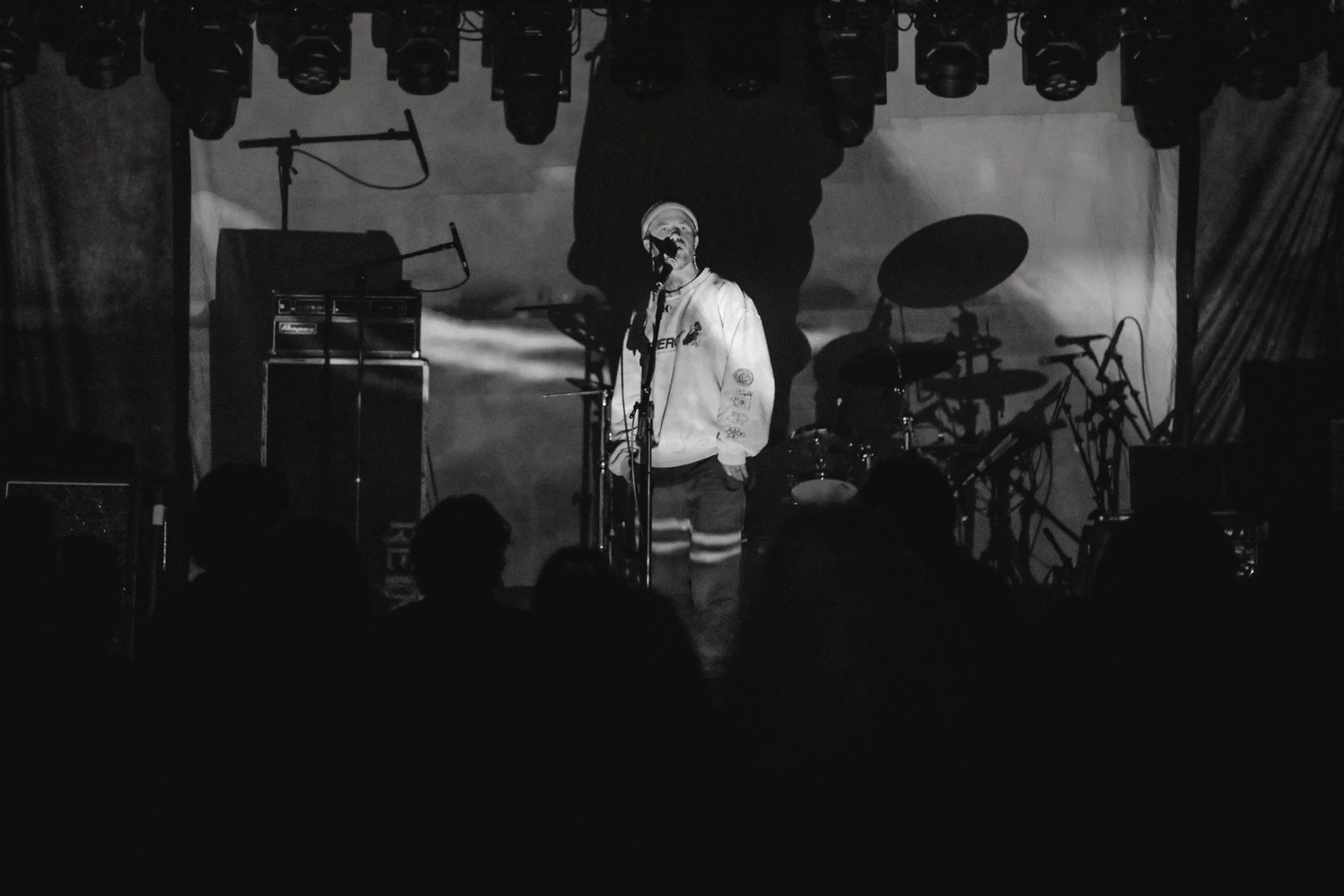
Maybe I’ll do some songs from it, I think that would be fun. But it’s also weird even thinking about it. I’m talking to a friend about doing some dates together, and I’m almost hitting a wall of how to put a show together or promote a thing like this. Is this going to be songs? Is this going to be a book reading? Does anybody want to come to a book reading after I’ve done an audiovisual theatrical presentation concept album? Does anybody want to come and like hear me say some things about it? Maybe, maybe not.
That’s the point. It’s weird for me, and it does change how I relate to it, because I’m really proud of this book. It’s called “Pay Attention, You’re Alive,” and part of why I’m proud is that it represents years that were pretty rough, and I’m glad I have something to show for it. At the same time, I still have such an appreciation and love for live performance, and the next thing I’m really curious about, now that I’ve finally released this, is what to do with that in relation to something that’s different from anything I’ve released before. Even the first book was made up of lyrics from records and performances people were already familiar with.
Yeah. I wonder if—feel free to take or leave this…
No, I’m all ears. I need help. That was the thing I went into this year saying: if you’re gonna make something, make it with other people and ask for help more.
Okay, well then this actually feels pretty relevant. Since so many people have been excited for this, and because of who you’ve made friends with and made fans of, maybe let them bring the music.
Oh, like, live?
Yeah…
That’s interesting. Do some jazzy-ass improv underneath, and then do some poetry over it. That’s an interesting idea. It’s funny you say that. There’s another poet I’ve been kicking around doing some dates with, and we both agreed that if we do it, we want the events to feel really communal. We want to go places where we have friends who would also want to be a part of something, not so much “here are the two poet people doing the big thing.” So yeah, it’s a possibility.
I’m really proud of this book. It’s called “Pay Attention, You’re Alive,” and part of why I’m proud is that it represents years that were pretty rough, and I’m glad I have something to show for it.
I mean, that’s opening the door for some shit [laughs], but also, maybe some really good stuff.
Totally. That’d have to be part of it. Actually, that reminds me of another thing from this year—you’re really getting it all [laughs]. I’ve been going to this faith-community thing and at the start of the year they did, not a witchy fire ceremony thing or anything like that, but a little bonfire, where we wrote down things we wanted to let go of, or hold more loosely. I wrote down “perfectionism,” among a few other things. It’s just funny because I know there’s this whole part of me that still wants some kind of quality control.
You could just turn it off if it’s bad [both laugh].
Exactly, yeah. “Thank you so much,” and I just keep on reading and they’re like, “What the hell, man?”
So, riffing on that perfectionism and bringing it around to paying attention, what does it mean to pay attention?
Yeah, the title…a bunch of things come to mind. Isn’t there a Mary Oliver line, the beginning of devotion is attention? Something like that. I didn’t base the title off of that specifically, but the ethos of it.
Over the last four years, I’ve found myself trying to pay attention to what’s actually going on in life. There’s a Paula D’Arcy quote I put at the beginning of the book, about how God comes to you disguised as your life. I did a year-long contemplative program through the Center for Action and Contemplation a couple of years back, and one of the main practices they had us do was called practicing nepsis. They described nepsis as the art of noticing. That could mean noticing aliveness, or joy, or wonder, or awe, or something super mundane, like boredom, difficulty, or resistance. Whatever it ended up being, we would pay attention to where, in what instance in life that showed up.
Those are two spiritual examples, but you could just as easily talk about emotional maturity, or trying to figure out “where am I affected in these ways?” and what comes of it. I think the irony of this title is that I didn’t feel like I was writing much of anything during a lot of these years. I felt really, really stuck, and really, really paralyzed, and kind of incapable of figuring out if anything was going to come out again. I’ve had writing droughts over the years, for sure, but I’d spent a lot of time thinking about other poets and writers over the years who reached a point where they said they just couldn’t do it anymore, and that was always confusing to me. But there were so many times during this where I was like, “Yeah, I get it. It’s just gone.” All of that was true about how I felt, and at the same time, now there’s a book, and a hundred or so pieces that were never going to be a book. Now, I don’t know, they just tell a different story. There’s an irony to being like, “how much attention was I actually paying during that time?”
Maybe it’s a perspective thing. In the moment, you’re in the depths of it, just trying not to drown, but when you look back, you realize you did notice quite a bit. This is kind of a half-baked thought based on what you just said, but I tend to believe that if you write or make anything honestly, in any form, you can do that and look back on the years and completely change your mind about something, and it still doesn’t feel incongruent. I’m not just saying this, but I think your poetry has been a true example of that.
Going all the way back to what we said earlier, about that balance of raw and refined: you show up all the way, even though we know you’ve done a lot of work before even showing up. And because of that, nothing feels incongruent, even though you’ve probably become a bunch of different people throughout the process.
That is interesting. I think about David Dark talking about how to love a person is to love a process. And you’re right, sometimes it can get pretty cheeseball when people are like, “oh, that was fifteen me’s ago,” but I’m glad it feels like that, like you said, congruent. I think one of the “pay attention” things for me—and man, this is totally the therapy speak. There’s so much pop-psych buzzword stuff, but I do want to be an integrated, whole kind of person. Maybe that’s another way of describing it: when I can find some language that describes maybe just a part, but it’s the whole part. I used to describe the places I landed as “concrete,” like, “Oh, I’ve pulled something down with my writing and concretized it.” I’ve been more hesitant to put anything in concrete as of late, but there is a little bit of grounding to it, and I’m glad it feels that way.
The other day, somebody shared that she’d gotten the book, and it’s always wild to me, she said it’s still doing something for her fifteen years later, and she said, “Even though we both seem like totally different people now.” It’s pretty special anytime somebody can give you a sense of home with their art, but I also think it’s pretty special to have that kind of longevity and still have somebody saying the same kind of thing.
There are definitely people I’ve followed over the years where I think, somehow, after all this time, I just keep relating to it, and that’s neat. I’d be fascinated to know what fifteen-years-ago me, and that person, would think of the book I just put out. I don’t know how much we’d like it either, which is interesting. But I love that. I’m happy to say I love that, because the part of my internal monologue that gets scared can get real scared about things like that.
That was actually one of my questions: what would you say to the Levi standing before this book, before you even wrote the first poem?
Well [laughs], the funny response that popped in my head first, was almost like a Matthew McConaughey moment: just standing there going, “Buckle up.” But you know, there’s been so much drastic change from when it all started. I think it really started in the year leading up to COVID…probably…I mean, where the hell do you start any of it? I could point to other things too, but this book says it’s a collection of poetry and short essays written between 2021 and 2025.
When I think about the person I was in August of 2020, it was then that a lot of stuff started to change. I had some experiences and went through some things beginning in September 2020 that just started to transform so many things in my life, and some of them I chose, some of them I didn’t choose. So, when I think about standing before that kid and being like, “Hey, all this is going to be something in five years,” yeah, I don’t know. I think he had an openness potentially, but was probably pretty incredulous too. And I don’t think he had any idea how difficult it was going to be.
And in general, I know that things are hard and there’s suffering and all of that—that’s true, that’s fine, and I don’t want to only stay there, but I’ve really been amazed at just how paralyzed I felt for something like four years. It was really, really hard.
It’s pretty special anytime somebody can give you a sense of home with their art, but I also think it’s pretty special to have that kind of longevity and still have somebody saying the same kind of thing.
I didn’t get into all of that in this book, it’s more about the positive things that came out of it. But I think I’d tell that kid, “I’m really proud of you. I think you’re gonna be proud, too, even though you’re gonna be so wrecked for such a long time, and so disillusioned, and so confused, and so seemingly lost. There’s no way back to anything.” I keep thinking of a Wendell Berry quote. I don’t know it verbatim, but it’s something like, “When the road disappears, that’s when the real thing begins.” For me, that was very literal, in terms of touring and a lot of career and life change, and also metaphorical; there’s no path, and then, when that happens, the real thing begins. That’s where some of the “make the path by walking it” trust comes in—real, through-the-fire, refined trust. I’ve said I trust things for a long time; can I actually put my foot down here?
And there’s been a lot of help along the way. I’ve felt so grateful for that over the last few years, and frankly kind of amazed that I have anything to show for it at all. It’s felt like following a little gingerbread-crumb trail. I don’t know how closely you followed some of it, but this time last year I started making little ten-poem zines, because I just had to make something again. My internal monologue was berating me the whole time, of course: “You’re gonna make a stupid little zine? You used to tour full-time, and blah blah blah,” you know, all the ego shit…
What a bully!
[Laughs] I know, I know. But I made the zine, and then another one, and then another one, and it had this snowball effect. Maybe it’s done rolling now and this [book] is the end of the snowball, or maybe I’ll do some other things with it, but it’s felt cool to recognize myself in a process that’s felt more like flow than force.
I don’t feel as anxious or burnt out about this release as I might have, because I’ve just been doing the next thing that presents itself, and that’s something I’ve learned to pay attention to through all of this, to come full circle. It’s not something that I felt like I started, and that’s felt pretty cool and encouraging to me. To see that, for all the years I felt so stuck and wanted so badly to be outside my own little prison, there was a way out, and I don’t know how much I had to do with it, other than following something.
I love that. I’m curious about your thoughts on this, too, because I’m wrestling with this idea. Sometimes I think, why not put everything I’ve written or recorded together and put it out in a more formal way? It doesn’t make you less of an artist or a writer or a musician if you let your art live in time, in spaces that don’t see the light of day. But there is something different about making art out loud; not just presenting it to someone, like you talked about reading it out loud with your clients, but actually going through the process and following the thread all the way.
So, it feels important to hold the reality that some of the art you make will never be recreated, because it was improv or whatever, and it’s just going to live right there. And anytime you try to recreate it, it sucks, so you have to just let it live there. But you also want to capture it so badly. And what does capturing it do to that? It changes it, almost…
Yeah, there’s an alchemy to it. Part of the cacophony is, I can run my process and motivations through so many different filters that are both relatively positive and relatively negative. For whatever reason, it does seem to be part of my process that I eventually have to share what I have. I can view that as, “yeah, massage that ego,” but that’s not really the motivation.
Maybe it’s done rolling now and this [book] is the end of the snowball, or maybe I’ll do some other things with it, but it’s felt cool to recognize myself in a process that’s felt more like flow than force.
It’s the connective piece.
Yeah, it’s the connectedness. It’s not even so much that—I mean, obviously, yes, I want people to like it, and I want to be able to make a living doing the thing—but I want to hear about the resonance, and see it.
I’ve been trying to get better at social media again, posting some quotes from the book, and I shared something the other day where I thought, five-years-ago Levi would not have been comfortable with me having said this thing. Maybe a lot of five-years-ago followers, too. I’ve lost a lot of my old followers over the years, trying to find a new audience, new ears.
But I’m saying all that to say, I shared something I know I had to be brave about, for lack of a better word, because it makes me nervous, even though it’s already in the book and people have already bought it. It’s like, it kind of scares me to say this, but it came from somewhere that landed, and that’s always the challenge, and the dance, and the play (back to your first question): this back-and-forth of “I’ve got this, and then there’s this about this, even though there’s this fight about this, too.”
And that’s part of the alchemizing of the thing: it’s not entirely mine anymore. Some of it can still be mine, but then it’s everybody else’s, too, and now maybe there’s a conversation, or a way that the energy from that moves in the world. I hope it does. Maybe that’s my means of wanting to share that connective thing. That’s another good way of describing what I mean when a piece “lands” in me: there’s a connectivity to it. Maybe that’s just in terms of my own sense of the divine, or my own sense of myself. But I also feel like it’s the part of me that wants to go out and be with somebody else, to see whether it creates that connective thing between persons, or just gives that other person the same sense in their own time spent with it.
Yeah, it’s probably all your connection to the divine, in some sense. You plug in to that, and then that probably dictates the connection you have to others. You can very clearly tell, if you have any kind of intuition and you enjoy art and poetry, whenever someone is telling stories about their life just to tell stories about their life, versus when the words are literally a vessel powerful enough to carry people to one another and to the divine, because they have to be so personal. You can’t just throw any words out there and expect them to carry people to those places. You have to be both so vulnerable and, to use your word, brave about it.
Yes. One of my favorite people—a personal hero—is a guy named James Finley. I don’t know if you’re familiar with him, but vocationally he’s a psychotherapist, but his life is wild. He spent a number of years at the Abbey of Gethsemani, being directed by Thomas Merton before Merton passed. When he left the Abbey, he started facilitating these contemplative retreats based on Merton’s life and influence. Anyway, he does some work with Rohr and the CAC.
But he has this thing: he says poetry is language in service of the unsayable. We can never quite get there. There’s also a piece by Pete Rollins that I wrote into the back of the book. Are you familiar with Pete Rollins?
I don’t think so.
He’s a super heady, out-there guy from Belfast, used to live in L.A. He does this thing called pyrotheology, and every Lent he does something called Atheism for Lent: it’s like five weeks, starting with a classical argument for God, like classical theism, then classical atheism, and each week is a negation of the last. It makes you think, “Oh, it’s this.” And then, “No, it’s not that.” And then, instead of just no, it’s, “It’s not not that.” It’s deepening the layers underneath the thing, almost like a removal or excavation process to find what’s at the core of all the languaging we’re doing at one another.
And that’s part of the alchemizing of the thing: it’s not entirely mine anymore. Some of it can still be mine, but then it’s everybody else’s, too, and now maybe there’s a conversation, or a way that the energy from that moves in the world. I hope it does.
Anyway, he had this thing about poetry that I wrote into the back of the book. He says, “Poetry is a beautiful failure that continues to fail to speak…by missing, and missing, and missing, [poetry] does give a sense—maybe more powerfully than any other form of language—of what it misses: precisely by missing.”
That’s certainly been a huge part of my own process—the gift of learning how to once again play with language, as opposed to needing to give it ultimate meaning, because we’re meaning-making with it, as opposed to the words being some objective thing, you know? These are all signifiers. There’s a beauty there, and there’s been a pain there too, as I’ve learned that more, because the other side of meaning-making is losing all meaning and becoming a depressed nihilist, and I’ve had my bouts of that, too.
As you played and as you were making this, was there anything that surprised you, either in the moment, or now, looking back on the book (other than that it exists)?
[Laughs] You know, some of my favorite things I’ve ever written are in this book, and that’s surprising to me. It really is. In part it’s because I know where I was and how I was when I wrote some of them. I’ve talked a lot about how hard some of it was, and that’s true, but some of these pieces came from what I felt were the healthiest places I’ve ever been in my life—places I never expected to be, especially given everything else going on.
In the year after my divorce, right after COVID ended, it was devastating, but I also didn’t feel like a wounded, bleeding, leaking thing, even though a lot came out. I felt really connected to my emotions, really able to feel. I’ve written a lot over the years, even my earliest work, about really struggling with connecting to feeling and numbness and different things like that. So it was really a gift to have written some of that down, so that in these very dark night-y kind of years that followed, I at least could look at something and be like, “I know that something other than whatever this is exists still.”
That’s certainly been a huge part of my own process—the gift of learning how to once again play with language, as opposed to needing to give it ultimate meaning, because we’re meaning-making with it, as opposed to the words being some objective thing.
There are reminders in this book that represent things to me that they just won’t to other people in the same way, and they’re gifts, you know? I’m surprised by some of that. Going back and seeing some of my favorite words and wondering where they came from, especially the ones I know came out of pretty dark seasons, and realizing there really was a presence there in the midst of it all.
One of the things I walked away with one day, a couple of years ago, was this sense of experiencing so much absence in every way: my marriage was gone, my community was gone, my family wasn’t around, I had some friends here but not the lifelong ones, my spiritual community was gone, God was gone for all intents and purposes. It was just absence everywhere. And there was this one day I was driving through a neighborhood near my house, headed home, and it hit me—this paradoxical thing, that the absence was a presence. Nothing was fixed, but it was like, “Oh, yeah, this absence has been. This is a presence. There has been a thing present to me throughout, even though I experienced it as absence.” And then your mind and heart and whatever the hell is always going on starts to do whatever the hell it’s doing while whatever’s going on is going on. So, a lot of the pieces in the book represent that.
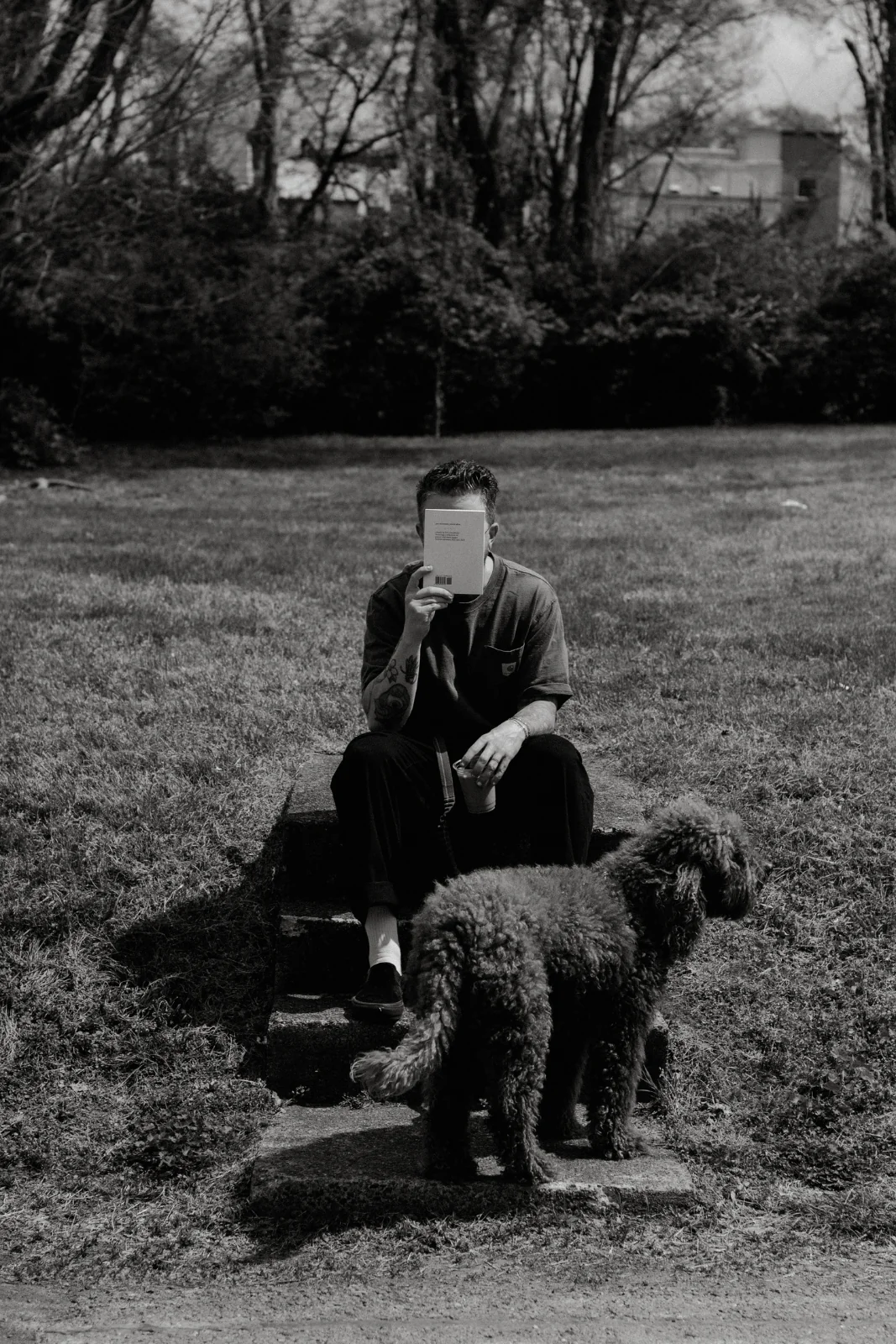
Actually, as I’m talking to you right now, I’m realizing one of the coolest parts that I’m genuinely surprised and smiling about—it’s cool, I can feel it in my body—is that I didn’t write a book for anyone. I was putting stuff out on Instagram, sure, but I didn’t write a book for anyone, and now it is one.
It’s the same as when I wrote Werewolves; I didn’t write that for anyone either, and then it was a record. That was 2009, the first thing I ever did, and there was a purity to that. I think that’s part of why I don’t feel so exhausted about having put this out now. Sure, you want a thing to be received well, but I didn’t make this thinking it had to do anything, that I had to get people to do anything. There was no coercion in it. It was just like I’m following, picking up pieces of cheese all over the stairs, and I’ll keep walking up the stairs until they disappear. That’s a bad metaphor, because it ends in a mousetrap [laughs], Please God, I hope this isn’t a mousetrap. But it’s kind of cool to hear myself say that I just needed to start making something, and I made something, and it wasn’t a means to an end. It was just the thing, all the way through. That feels pretty true.
I know you’ve said things, or posted things, in the past about being Levi the Poet versus Levi the human, and that’s a hard thing, to make your life into a brand, to make your soul into a brand. I feel like the concept you’re describing just now is a bit of a reconciling of those two things: it’s just you, being you, living, and paying attention. And look at that.
Yeah, it’s really neat. I didn’t put “Levi the Poet” on this book. The logo’s in there, and I wrote something in the bio about what that is, but the cover just says “a book by Levi Macallister.” That wasn’t unintentional. My spiritual director and I have talked, at times, about what it would be like to write a book called “The Death of Levi the Poet.” That’s more the thing behind what came out of all this. It’s been a funny, ongoing split for me. I’d love for that split, whatever it is in my head, to not be as much of a thing, and lately I feel like it isn’t, which is cool.
I don’t know if it was the culture I came up in, but even back when I was writing for HM—I was there in 2008—I remember the whole conversation about whether or not “Christian music” even existed as a category, and everything felt split off from everything else. I don’t know if that conversation still exists in the Christian music world…
Oh, it definitely does.
Oh really? Yeah, it’s like, it wasn’t about wholeness. I would say a lot of the world I inherited felt pretty split off, and I think that’s been an aspect of my personality that I carried with me unconsciously, in ways that make sense in terms of industry, artistry, and brand-building. But I just don’t want to feel split like that anymore. Whoever’s around is around, and I’m trying to be more courageous about who I actually am, instead of letting that internal monologue dictate so much of what can and can’t be done through whatever it is that I’m doing.
Sure, you want a thing to be received well, but I didn’t make this thinking it had to do anything, that I had to get people to do anything. There was no coercion in it.
Totally. And what you were saying earlier about being an integrated person, that’s really it. To be honest, there are certain artists, who are very kind and gracious about it, but who don’t always want to talk to HM, and I get it. I know why, because of that split, the silos, the labels. Still, we try to communicate that there’s always a place here if those artists ever want it, because their music is worth celebrating.
Yeah, I mean, HM obviously made a huge impact on me. All I know is that my burnt Walmart Werewolves CD was a pick of the litter, and then I started actually doing shows, and now, holy shit, it’s been almost twenty years, which is crazy.
I love hearing stories like that; HM did such cool things for so many artists way before I ever came on. The industry has obviously shifted and music media is different now, but I really do love offering the platform to whoever’s doing cool stuff, you know? I’ve also found a lot of photographers and writers who just want to practice their art, which I’m so down to support. It’s almost become an internal community of people who just really want to make things.
That’s so cool. I love that. That’s where the helpfulness of things comes in, the mutual benefit. I think that’s rad, that the mentality is that, rather than things devolving or feeling stuck or like they’re going backwards. It’s like, it’s been a trip to go from literally living on the road, being in front of people all the time for fifteen years, to not doing that at all. But for it to transform, which is what I hear you saying, to get the honey out of the thing, even with a little less focus, that’s acceptance, paying attention. This is the way things are now, and wherever they are tomorrow, that’s the way they’ll be then. Can I still help a kid be stoked that they get to stand at the barrier and take a photo of their favorite band? Yeah, I can. I think that’s so beautiful.
Yeah, it’s been a really cool, unexpected journey. I’m going to ask you one more question about your book, and it’s a mean question…What’s your favorite poem?
[Laughs] Alright, I’ll answer it honestly, and give you an honest little taste of this as well, because I did all this. This whole book is in chronological order. The pieces have dates attached to them, and they’re all true, every one. All of them were written, or at least started, or maybe published, on the day that’s listed…except for one.
It’s the one I wanted the book to end with: “An Olive Branch.” It didn’t happen three years prior or anything, but I did lie about the date on that one piece, just so I could place it where I wanted.
The book ends with “Sand Clock,” “Father’s Day”—a long, open letter to my dad, dated June 15—and then “An Olive Branch,” dated July 1. In reality, I wrote “An Olive Branch” before “Father’s Day.”
But I really liked “An Olive Branch.” I’ve done it live at a house show here in Nashville. It’s about the snow melting after a long winter, and seeing your own face in the reflection of the melted snow. It felt hopeful to me in a way that…I think you and I talked about Cataracts years ago when that. Record came out. That’s obviously a heavy, dense record. I’d had most of it written for a long time, but it never felt ready until “Keep Forgiving” came along, and then it was.
That’s the closest relation I can draw to “An Olive Branch.” It’s simple. It’s not explain-y, and that was one of the main parts of putting this book together. I got so stuck for so long feeling like I had to explain myself, self-justify, make everyone understand where it was all coming from, like I needed to give perfect clarity. And it’s funny, because as a kid, that’s what I liked least about the demands put on me for the art I was able to create and listen to. I wanted openness, room to swim. I’m happy this book ended with a piece that summarizes the heart of the thing, and got to some of that same visual, where I’m collecting the pieces without spelling out every detailed reason.
Yeah, yeah. Footnotes and all that.
Yeah, exactly. That’s a part of the conceptual process I really can enjoy, but when it comes to having to give explanations for my own existence, that’s just awful. It becomes a self-defense argument for why I get to be here the way I am, and feeling the need to do that for so long was exhausting. I don’t want to feel like that, and I’d never expect anyone else to have to, either.
I got so stuck for so long feeling like I had to explain myself, self-justify, make everyone understand where it was all coming from, like I needed to give perfect clarity. And it’s funny, because as a kid, that’s what I liked least about the demands put on me for the art I was able to create and listen to. I wanted openness, room to swim.
For a long time, my spiritual director and I talked about whether I could write a book that would help me catch up to myself, and I liked that explanation of it. He’d say sometimes, “You’re not the person you were, but you don’t know it yet. You need to write something to help you know it, to embody it.” So much of this was already written throughout that time, and I kept thinking, when is that going to come together?
Maybe there’s still some addendum to this, like the Correspondence commentary, but for right now, I was happy to find that putting everything from those years under one roof accomplished some of that for me.
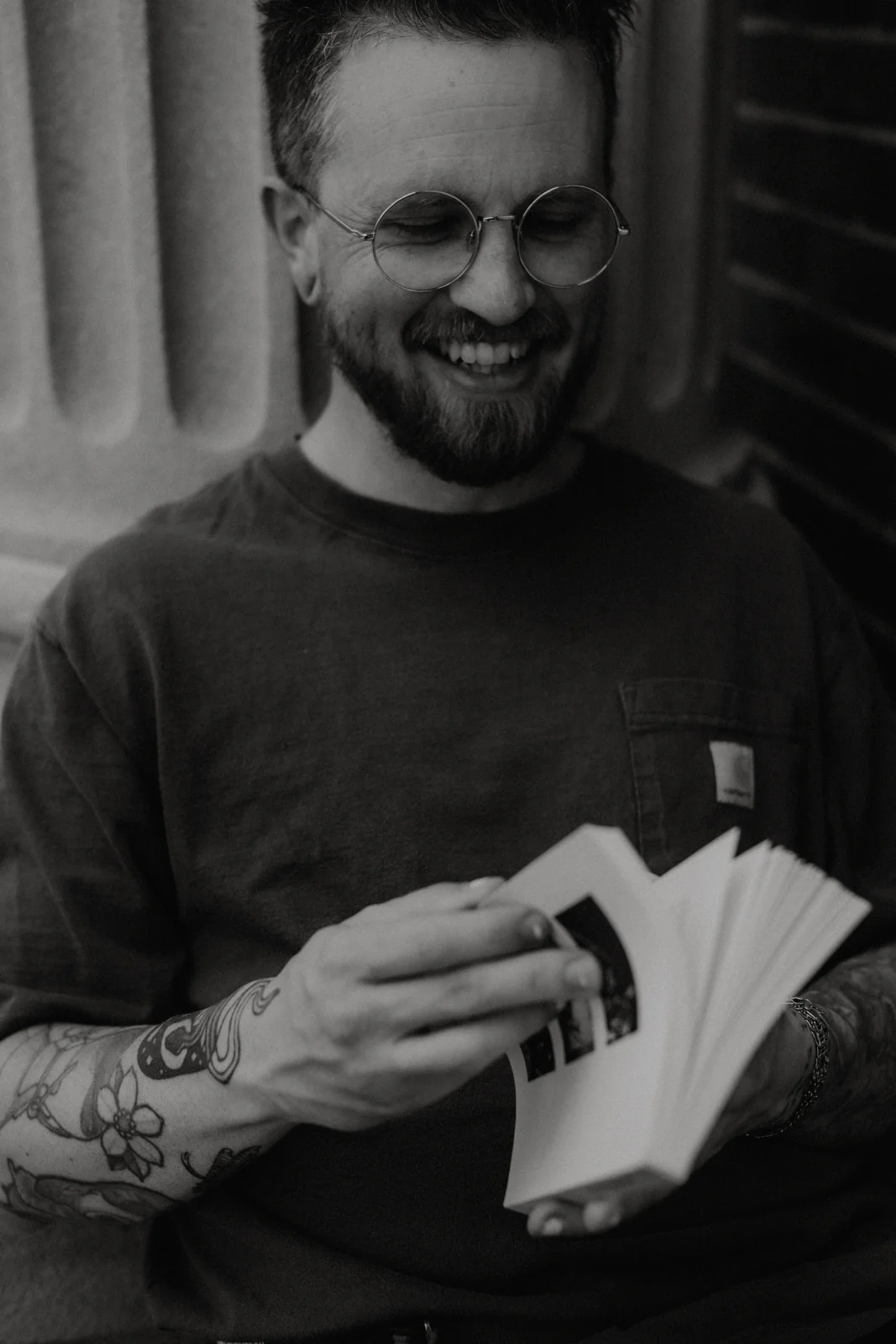
To order your copy of Pay Attention, You’re Alive, visit levithepoet.net.
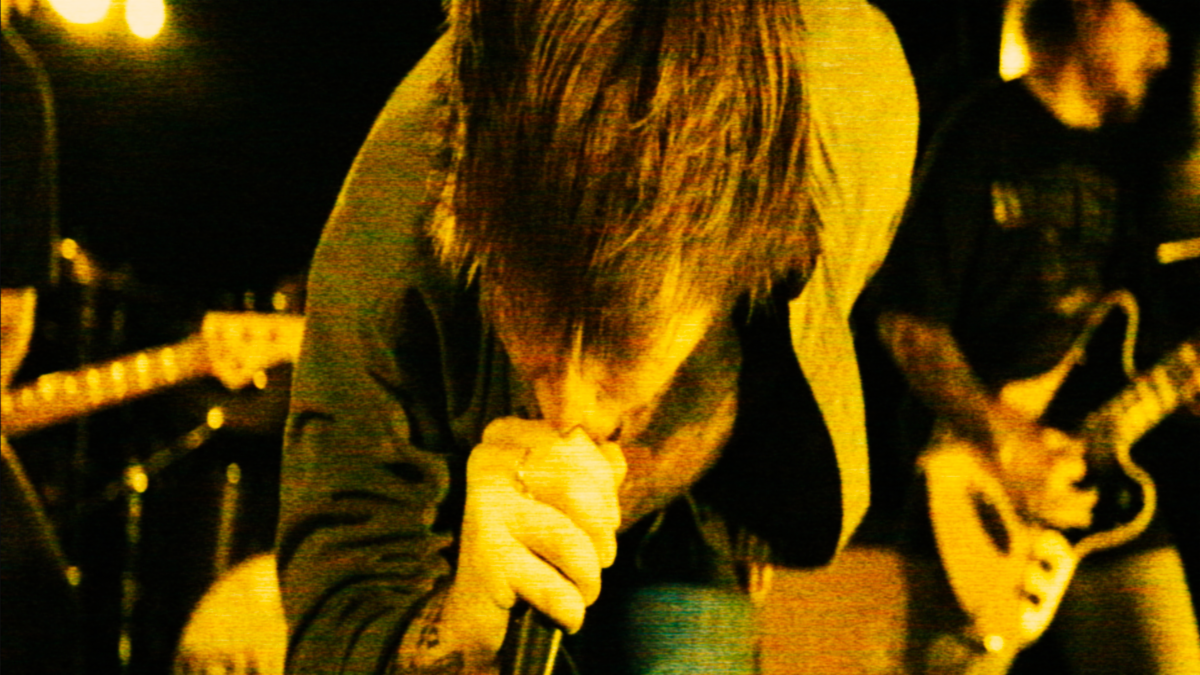
Feature photo by Jen Talesman