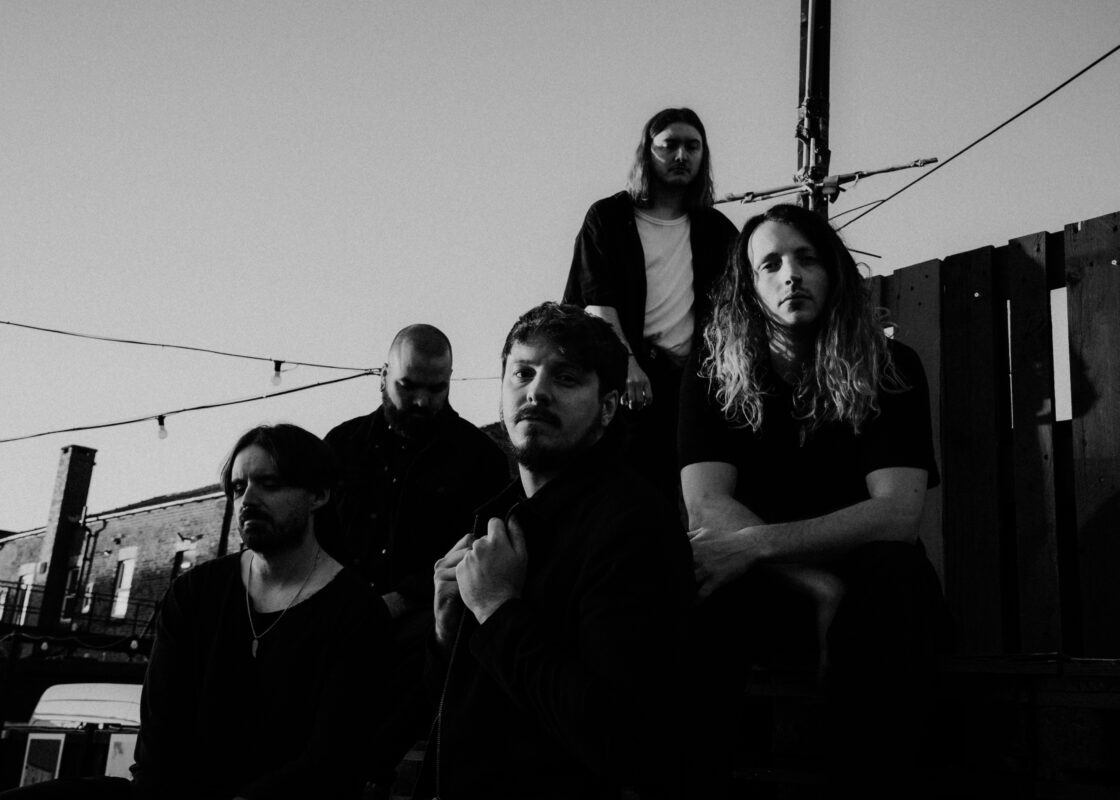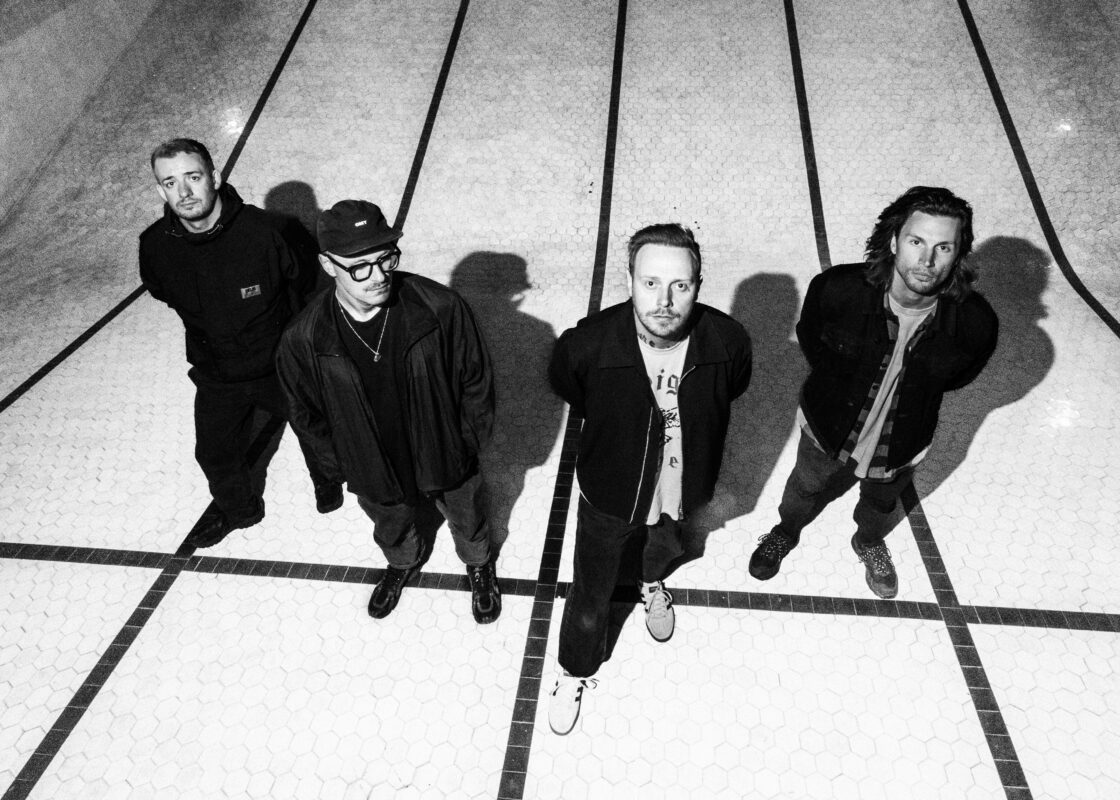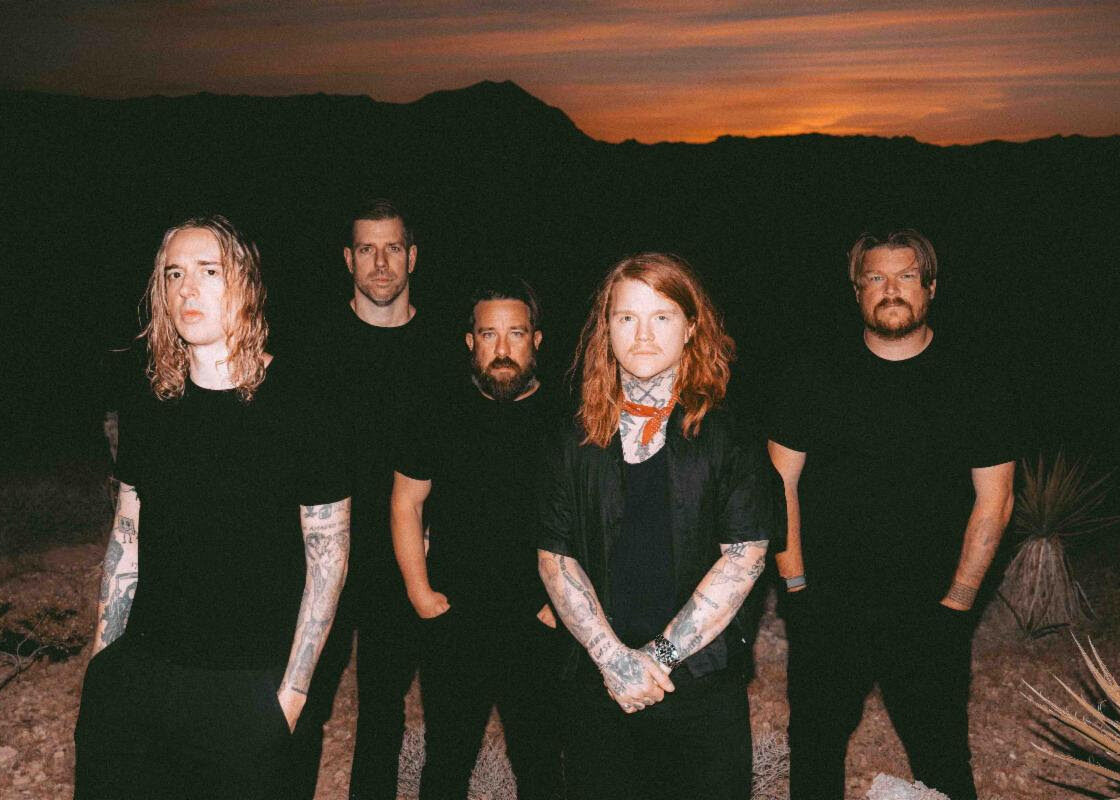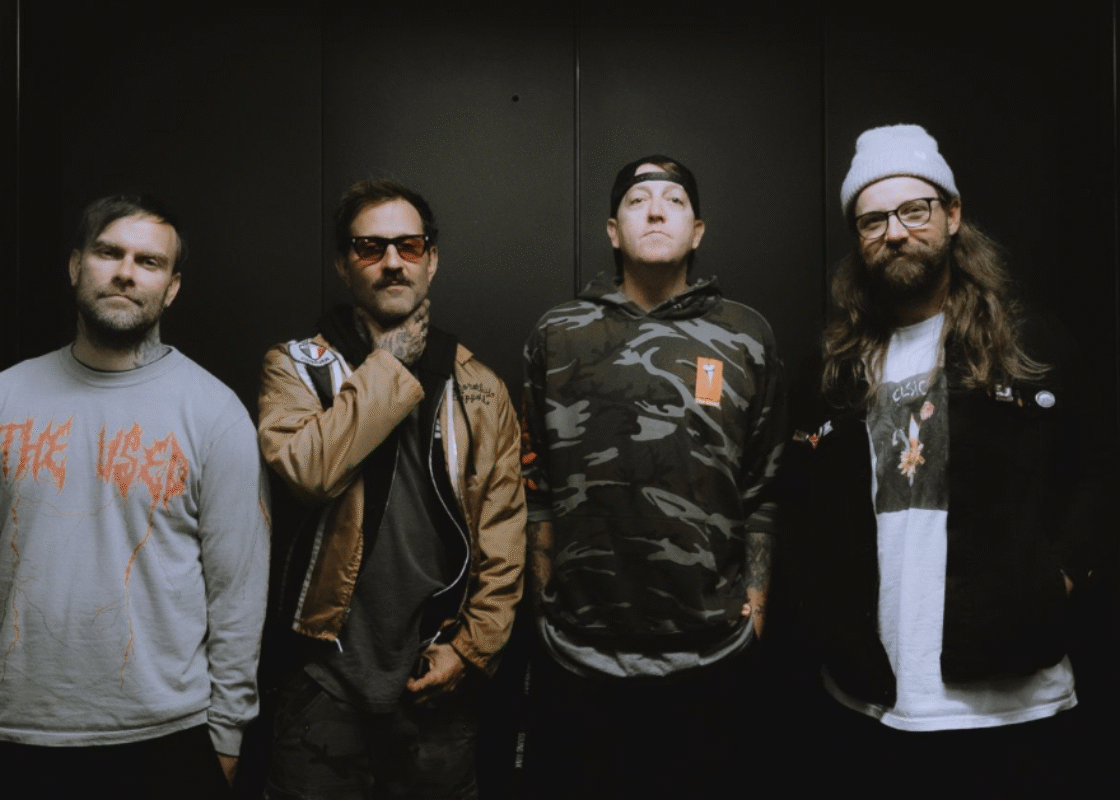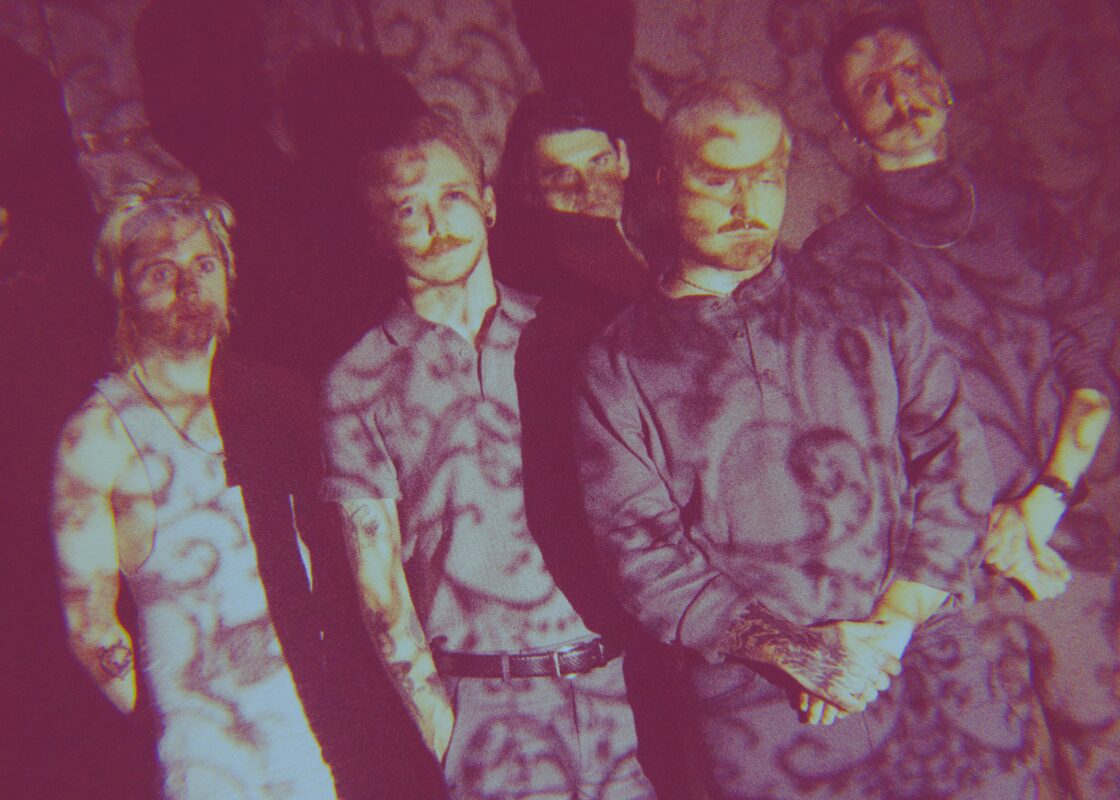
Four years after their 2022 album, Minneapolis post-hardcore band Careful Gaze returns with It Does Not Sleep, a stunning work of honesty, depth, and poetic composition. From song to song, the record lays out a journey of what it means to love and be loved — and the ways in which we are formed by our openness to those experiences.
Recorded by Careful Gaze (with drum and bass engineering by Zack Alvey), produced by Lars Oslund, and mixed and mastered by Forrester Savell, the record has been warmly received by fans and boasts the best parts of what it means to be a DIY band. With guest spots by Katy Kelly, Elliott Green and NELSDOT, it is a carefully curated hivemind, where story and sound meet with powerful force and an overflow of creative energy.
Vocalist and songwriter Gabe Reasoner took the time to speak with us about the band’s latest release, and our conversation was as candid, kind, and real as the album itself. Reasoner spoke about music — his own and others’ — with such respect and authentic love, and for those who listen, It Does Not Sleep may just be the album that meets them where they most need to be held.
Did you do much in the past with David Stagg at HM? He’s the one who sent me your record and told me, “You should totally get in touch.”
Yeah, I used to get HM when I was a teenager, so when I was 19 and I recorded this weird electronic post-hardcore thing on my own, I sent it and was like, “You should review this.” And then he had it reviewed, and then he did a release for us years later, and I just saw the name. He tagged the band on Instagram, and I was like, “Is this who I think it is?” So that was a funny, small-world thing of him finding this album years and years later.
Well, he was raving about it, for what it’s worth.
That’s awesome. I’m so glad.
Yeah, I’ve been listening through it and I love it, too. How is tour going so far?
It’s been okay. We had to rebook some shows because of some booking stuff falling through, so the last three days have been stuff that I put together in a week’s time. So it’s been maybe 20 people one night, and then 10 people one night, and then last night was a DIY spot. So it was pretty good. It was maybe 50. So it’s been weird, and now the subsequent shows are starting to be more of the ones that are solid. So we’re really early on right now, and I have no idea what to fully expect.
Wow, that is true DIY there, having to cobble it together.
Yeah, for real.
Where are you headed? Are you playing tonight?
We’re off today, so we’re going to Des Moines, which is close to my hometown, and we’re going to be playing there tomorrow. And then we’re going all over after that.
Nice. Well, I would love to know what you’ve been listening to these days on the road.
We’ve been listening to a lot of Dead Poet Society.
Oh, hell yeah! I love the new record. It’s so good.
Yeah, we’ve been listening to that a lot, and it’s kind of become a joke of how much we’ve been listening to it. I keep DM-ing Dead Poet Society and saying, “You’ve got to take us on tour.” It’s a bit to make our drummer laugh, but I keep doing it. So, God, yeah, we’ve been listening to that, and, oh, the new PISS album.
Okay, cool, I haven’t heard that one.
That one is You Made Me slash Skin on Linen. I thought that was really good, and then also Earl Sweatshirt and Mike just released a double album called Pompeii // Utility. So I’ve been listening to those three a lot, which are all very different. And then the new Deafheaven. I was listening to that, too.
Are any of those hitting your top 10 this year?
Definitely the Earl Sweatshirt and Mike one, for sure. That was incredible.
I’ll have to check some of those out. I don’t think I’ve heard of that one either.
It’s very depressed rap, but it’s really good.
I dig that. Well, let’s talk about your album. I read that it has been four years in the making, so can you give me a little bit of the scoop? What’s been going on in those four years, creatively and in the band?
We basically started writing it right after our 2022 album was done, and then we did a lot of touring. We had member changes, like a core founding guitarist leaving the band. So the writing process and who was taking the lead on writing stuff changed a lot. And that, definitely combined with life circumstances and stuff, really changed how we were approaching things.
We ended up getting Lars, our drummer, last year, and he’s a big production guy, and so he helped and was very instrumental in the process of making this album what it is, because this is the first time for us as a band where we have essentially figured out all of the effects and all of the production side before sending it off to mixing. Usually, we get it down on recording and we have a general idea of what we want and we send it off. But this time we were fully producing it ourselves and shaping it. So if there was a sound we wanted, we were getting the sound, essentially.
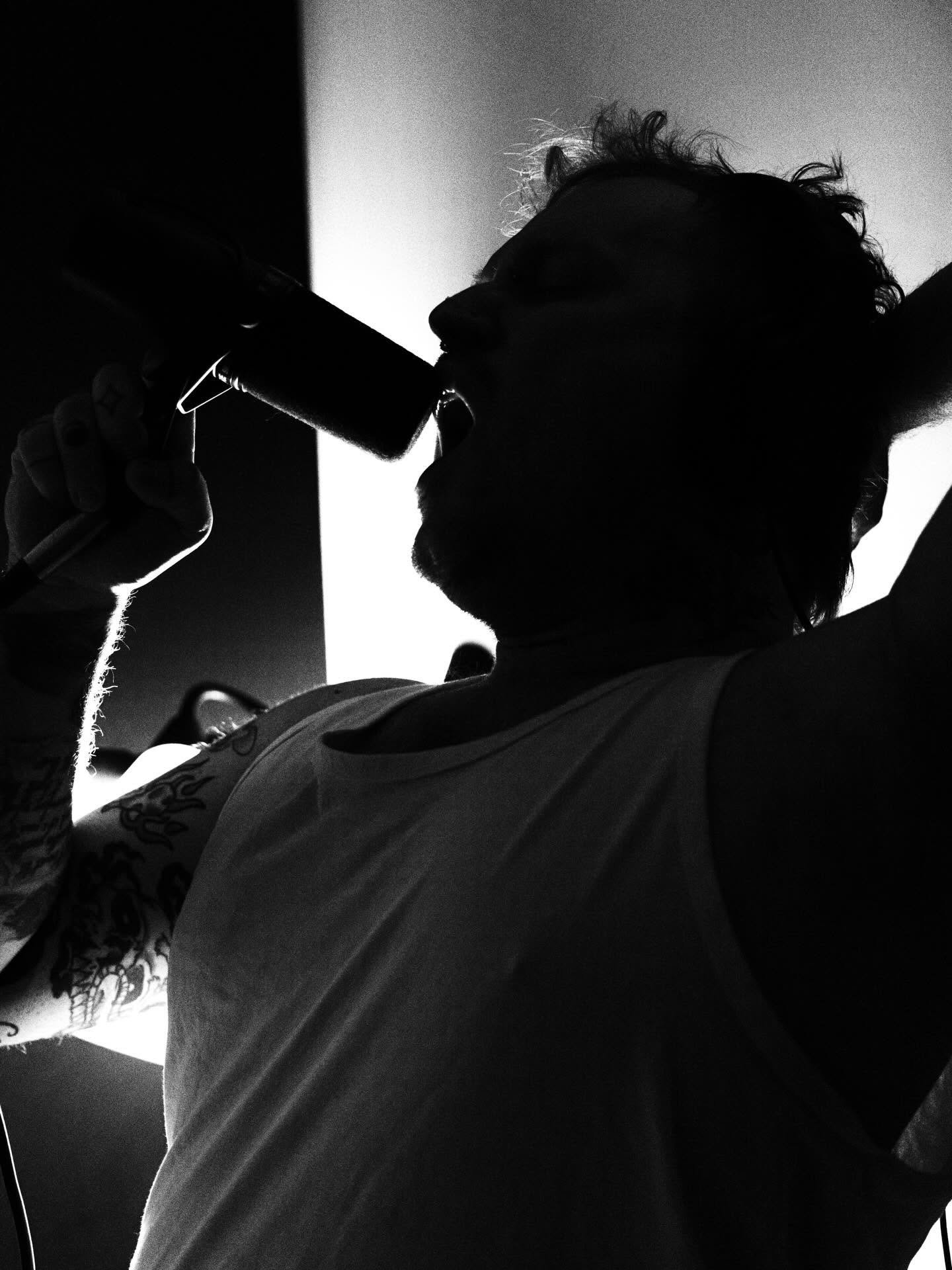
So yeah, it’s been a long process. A lot of scrapping songs, rewriting songs. There are some songs where I had taken lyrics from three other songs and pieced them together into one because I liked specific parts, and other things I was like, “That’s not really relevant to me anymore.” So it was a very long process, and a lot of times it felt like it was never going to be over and it was never going to come out. So the fact that it did actually get finished and is out is a very cathartic thing.
I bet. I love a Frankenstein song, also. And how do you — as a band, or just you personally — know what to keep and what not to keep?
For us, we usually demo with just one or two people. So I think the way that we figure out what to keep and what not to keep is we audition it in a full band setting. We bring an idea, a skeleton of a song, to a writing session, and we work on it in the room. And if it clicks and if it feels good and it makes sense, then we keep it. And if it’s something where we try it out with everybody, and it doesn’t really translate to a live energy, then we don’t, you know? There have been a few times in the past where we’ve had a song where it’s like, “That’s probably just not a live song. It’s probably just something that will exist on an album, and that’s it.” But I think it’s a lot of gut feeling, and whether you’re able to have five people make it make sense together.
For sure. And that makes me want to know: are you studio or stage, personally? What do you prefer?
Stage, for sure. I think everybody has always said to us that we’re a live band, you know? They like the music, but then seeing us live is a whole different thing because it’s so much more intense and emotional, and you can directly connect with the music. So I think for me, I love making stuff in the studio and shaping stuff, and that’s really fun. But being able to actually see people connect with it and do it in a place where there’s an energy and a ferocity to it is just really special.
I think it’s a lot of gut feeling, and whether you’re able to have five people make it make sense together.
Yeah, can’t beat that.
Yeah.
And I know you’re talking about how your production process was so much more in-house this time. Did you find that you were able to capture some of that live energy better doing it yourself?
Yeah, and we kept that in mind, too. I think before, I would sing the songs and we would play the songs how we were writing them in a studio setting. And I think we tried really hard this time to record them how we would do it live, if that makes sense.
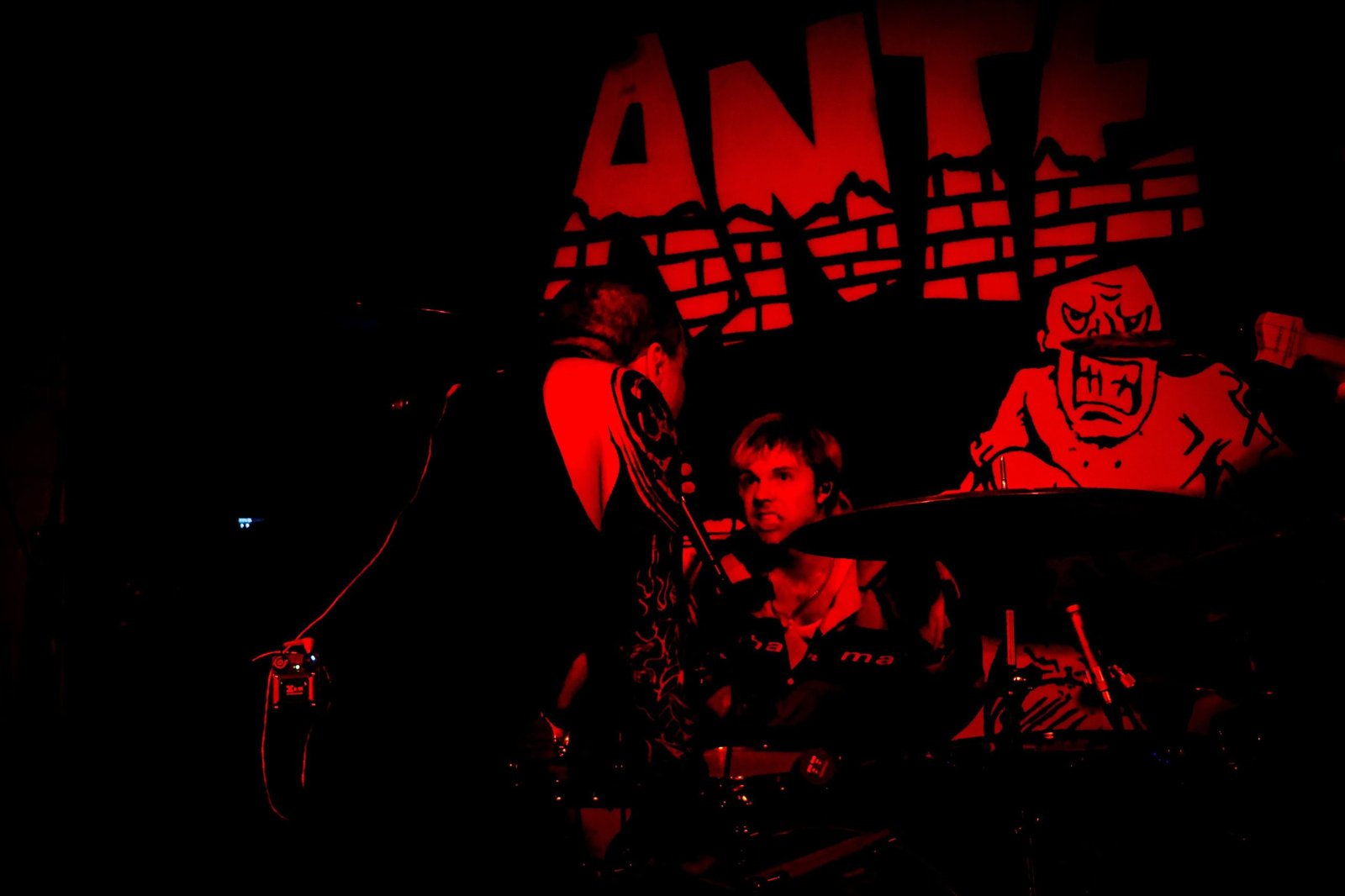
So I have spent a lot of the last three, four years touring more and playing live more, figuring out, “This is probably how I would do this part that I wrote live, and maybe it’s got more energy to it than how I would do it in a studio setting or something.” And because a lot of these songs have existed for a little bit, we also tried a lot of them out around the country last year. So we would play things and get an idea for how we wanted to do it. So I think that, for me, was captured a lot more on this record because we knew better what that was like.
Yeah, I can see that. With that…I have two questions in my mind. I guess first, more than just the songs, so many bands would probably tell you that you can really iterate on a record forever and never call it done. So I won’t use the word “done,” but how do you know when an album is “ready” to be released into the wild?
I think for me, it might be different on different albums, honestly. But I think for this one, I just had a very clear vision of the overall feeling it would cast, and the overall arc of intensity and emotion and the overarching theme of love and grief and loss. So I think when we finally assembled, we looked at the songs. I mean, two years ago, we did a spreadsheet-style thing, and we were like, “Okay, we’ve got 25 songs for this album. Which ones do we think make sense for it?” And that’s not an exaggeration. We literally had 25 different songs. So then we were like, “Okay, these make sense together, sound-wise.”
Being able to actually see people connect with it and do it in a place where there’s an energy and a ferocity to it is just really special.
So I think it just came down to looking at how everything was laid out and how the arc of intensity and emotion went, and being like, “Okay, this feels like it makes sense.” And then it was just a matter of getting it recorded and sent off. And to the point of live energy and capturing that, we recorded drums and bass at the same time this time, which we had never done before. So I think getting everything down and hearing what it sounded like together was like, “Yeah, this feels like we have the songs that we need.”
And speaking of the theme, you were talking about love and grief, and you’ve also mentioned that this record is really about loving and being loved. That is so simple to say, but so complex…I mean, even sonically, I’m getting that it’s all very much a contour of feeling and embodiment. But how else did that theme really show up for you in the writing process, or even in the production?
I went through a period of transition in my life right when we started writing this album, basically, which was losing a long-term relationship that had existed since I was a teenager. When that happens at the same time that you’re in your late 20s and going through a really transitional phase of your life and being like, “Oh, I’m becoming a real full-on adult now,” that really turns things upside down for me.
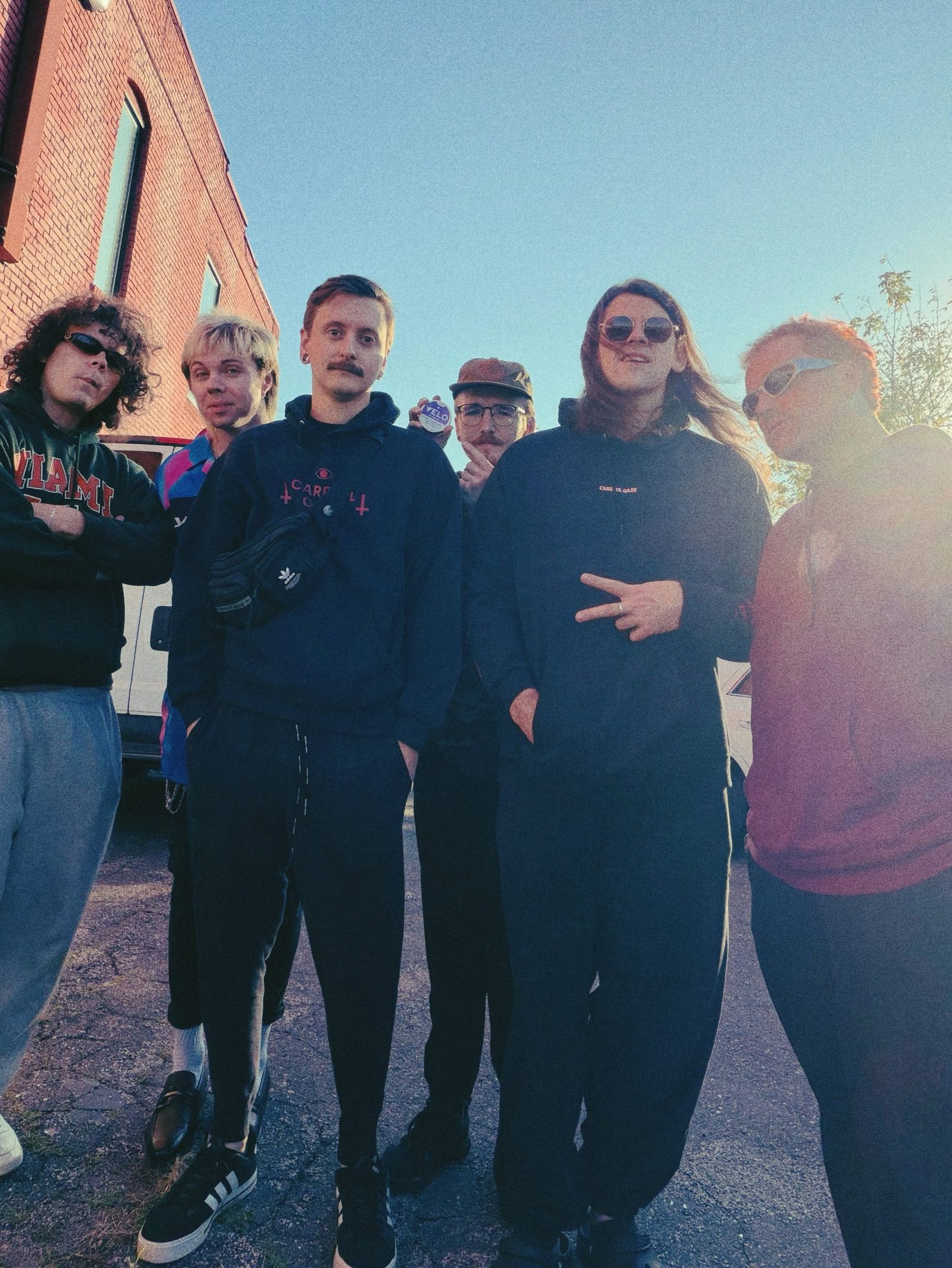
There was also an aspect that I hadn’t really experienced a lot of different relationship dynamics because of that until I was in my late 20s. So, having this period of a lot of different connections of a lot of different sorts, and watching them come and go, and a lot of different dynamics, that was all going on as we were finishing the last album and starting this one.
So there are just a lot of different little plot lines, I guess, that played out, and not only with romantic relationships, but also friendships and family relationships and dynamics. The album really explores how all of those exist with each other. One of the songs, Cerulean, talks about my experience of telling my parents that this person they had come to know as family wasn’t going to be around anymore, and their method of coping with that was to read the Bible to me, and I’m like, “That doesn’t help me.” But I understand if you feel like it helps you, or you feel like it helps me, but it’s not doing anything for me. And they could not process that. So in that way, this album explores all of those dynamics existing at the same time. I had a lot on my mind, obviously, from that time, and I just continued to try to put it down into a body of work that did it justice, and was a portrayal of all of that time.
Yeah, I get that. You kind of answered this already, but I was going to ask also if you ever felt like that theme competed with itself, just because there are so many, like you said, different plot lines that could result in almost competing philosophies on what it all means.
I think it does, yeah. I think it contradicts itself, and I think that’s almost part of the point of it. Because there are definitely some songs, like “Last Blood,” that are pretty not hopeful when it comes to love, and there are some lines in there about finding someone else and it’ll never be enough, and how we as people tend to hold the monogamous relationship, or whatever, on a pedestal as the peak of what you can achieve in your life in terms of that, and how ultimately it never ends up being truly enough for people.
But then there are also songs on the album that are much more hopeful and about healing and still wanting the best for someone, or wanting someone to have that, even if it’s not what you’re going to have, or what you want. So I think it does compete and contradict in a way, and maybe it’s because I’m a Gemini, or maybe it’s just because that’s how it is. But I think that’s the beauty of it: it doesn’t present one philosophy or one conclusion as much as it’s just being like, “Here is all of it.”
Yeah, absolutely. I read something recently about how if you’re struggling in your art, it’s probably because you’re using it to be understood instead of using it to understand. So it feels like if you’re writing contradictions, to me, that doesn’t create a non-cohesive piece of art. It just means that you’re working it out, and that is the beauty of it all. I don’t personally want art that is so neatly packaged and telling me what to think. I want it to make me feel something and make me reflect and understand something better — or not even “better,” but just make me think about it.
Yeah, totally. I think some people are writing from much more of a “Here is a completely fleshed-out thought, and this is a product that I can market” mindset, and maybe that’s better for TikTok or whatever, or better for getting in front of certain groups of people. But when I hear something that feels really raw, which I would definitely say about some of the albums I mentioned earlier, not really Dead Poets Society, but PISS or something, that’s a very raw album. And when I hear something like that, that really grabs me, because I’m like, “This is coming from a very real place,” and not a place of somebody being like, “I’m creating X song about X topic and I’m going to arrive at this conclusion with it, and then it’s buttoned up and ready to go.”
I think that’s the beauty of it: it doesn’t present one philosophy or one conclusion as much as it’s just being like, “Here is all of it.”
Yeah, it’s almost propaganda at that point.
Right. Yeah, and I’ve heard enough octane metal songs in my life, you know?
For real. You also have a good amount of literary references or themes, at least in your history, with the book y’all released and the title of your last EP and stuff like that. Is there any of that in this one?
Yeah, there are definitely references in there. There are some weird deep-cut references for sure. And I will say that some of the lyrics on the album, we were initially writing a sequel to that story of the book that we wrote in 2020, or that I wrote.
Initially, I had a sequel to that that I was working on, and the songs that went with that, some of the lyrics from them became relevant not just as a fictional story, but relevant just in my life. So I used some of that that I had written back in 2021 and repurposed it for the song Replicant too on the album. Because I was like, “Oh, this hits in a way different way now than it did when I was just making a work of fiction.” So yeah, there’s that.
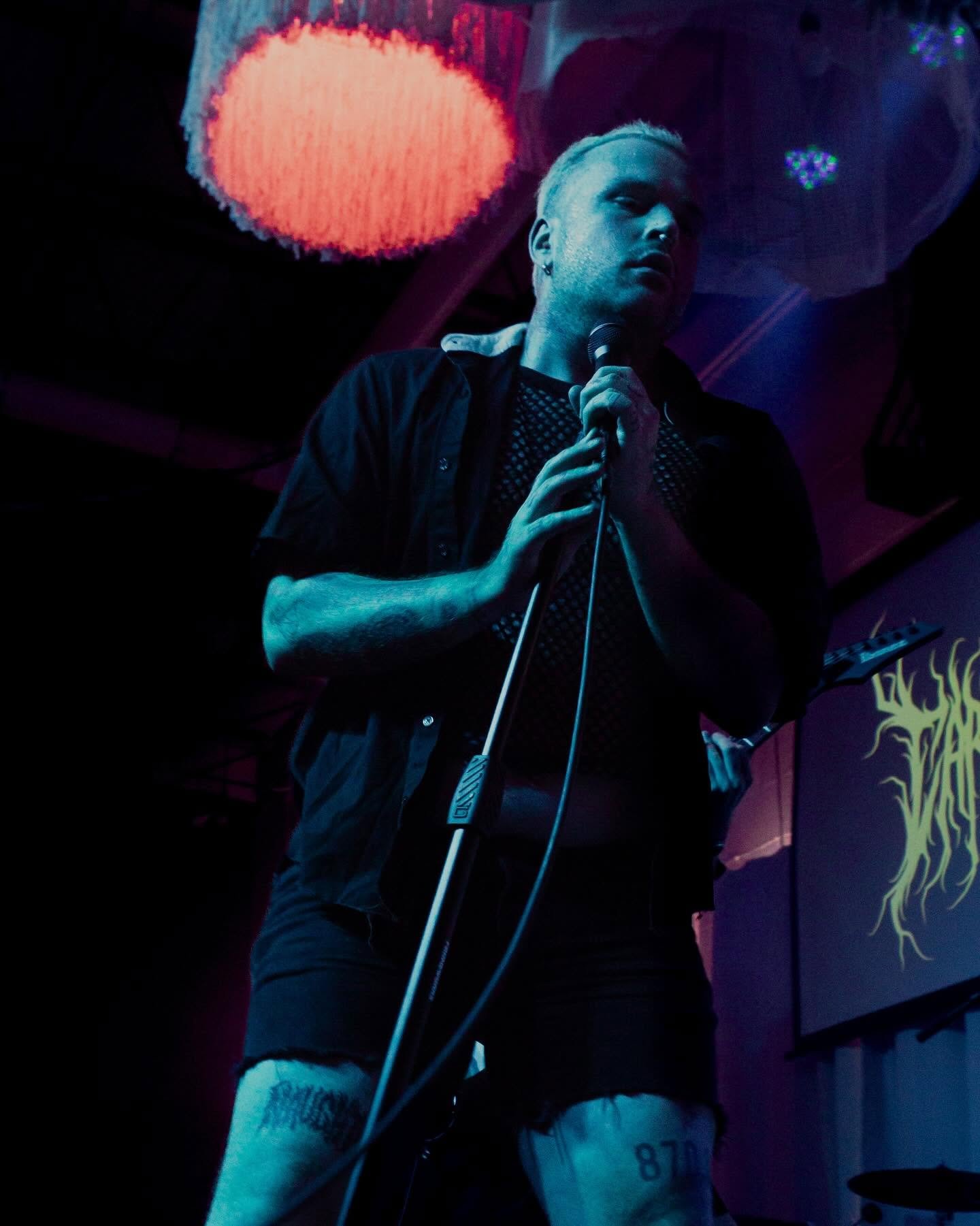
There are also Bob Dylan references. There’s a reference to a really old country song, “Red River Valley,” and yeah, there are a lot of little hidden things in there. I have some stuff on Genius, on the lyrics there, where I put some little explanations for some of the stuff that I thought people would maybe find interesting. So that’s a thing. If people ever want to deep dive, they can.
I love when creative mediums start to play like that. It’s a potent way to build on that eternal entity of art, the greater picture of art.
I think in the past I have not always done that as much. So I think I’m exploring making referential stuff a little bit more, and doing it in a way that’s not just straight-up name-dropping something as much as incorporating it in a way that feels like it’s still true to how I would do it.
Can you tell me also about the feature spots that you had? How did you pick those folks on those songs?
Katy Kelly, who’s on “Last Blood,” has been a friend for a long time. Our band toured together a few years ago, and she’s just a really talented vocalist, frontperson, and photographer in Minneapolis. I always knew that I had wanted to have her on something, so I had her come in and do some extra screams on “Last Blood.”
And then, for another touring connection, for the song “Mary,” the artist Elliott Green. We had played shows together on multiple tours, and that was someone that I don’t even really remember. We might have just found each other from Twitter or something. But when she opened for us a few years ago, I was just blown away, and especially touring, you just never know what you’re going to get for locals. So that was one where I was just like, “Oh my god.” I just knew she had a really beautiful voice and a really emotive way of singing. So I wanted to have her on “Mary.”
And then NELSDOT, who’s also on “Mary” and does drone sound design on it, is someone that I have known for a very long time in the music scene, and does a lot of really cool dark techno stuff and ambient drone music. I had initially written that whole track and instrumental, and then I sent it to them and was just like, “Just do whatever you want on this.” And so they sent me back rain sounds and the drone sounds over it, and I was like, “Sweet, it’s perfect.” So yeah, I let them take over, guest sound design for that track.
That’s like the best tattoos. They come out when you just let them have free rein.
Yeah, totally, 100%.
With all of this, I feel like there’s just so much in the record, and I’m going to ask a mean question. What’s your favorite moment? Not even favorite song, but just favorite moment.
That is a mean question…
You can pick a few if you need to.
I think probably the end of either “Salem” or “Replicant,” because they’re both just really big. I guess it is a few, because the end of “Salem” is cool because we recorded that live so that we could do the slowdown together. The song slows down based on the speed of the vocals, so it goes off click, basically, which meant that I needed to come into the tracking of bass and drums and do that in the room with them. So that was a cool thing, and it was really hard, and we did it over and over again to get it how we wanted it. And that wasn’t the original way that the song ended, and then we agreed that we wanted it to sound like, I don’t know if you know the band Thou, maybe a Full of Hell-type ending instead of what it was before, which was more of just a major key resolution. So that one. And “Replicant.”
And then I would say probably the other one would be the black and shoegaze section of “Cerulean,” because those lyrics are probably the heaviest lyrics on the album for me and the most personal. That was a part of the song that we added to the initial song we wrote. We replaced a section of it and put that in there, and I wrote the chords for that and played it on an acoustic guitar and showed the band and was like, “I think we need to do this.” So I just think the way that that part came to life really stands out to me as well.
I love that. I’m going to have to go listen to those again.
Yeah, sorry I gave you so many.
No, no, it’s great. I love it. Reaching more into the broader music scene for a second. I’m curious, especially now that you’re on tour: what do you notice changing about how music is either made or put out there, or even received by people? What do you notice evolving in the scene?
Well, I think I’m noticing, on a positive side, that there are bands that are weird or unconventional that are able to get a pretty reasonable amount of buzz around them now, and having pretty good success, which I think is cool. Like Agriculture, the band, or even Chat Pile, seeing those bands that are more in the noise rock or noise metal space, that are not conventional octane metal, seeing them be able to do larger tours or get spots on bigger tours is really cool.
I think, also, just seeing more genre bending, and people becoming more open to genre experimentation. I’m pretty uninterested in that when it comes to MGK being a pop punk artist or something, but when it comes to Beabadoobee doing a weird heavy shoegaze album or something, I think that’s pretty cool. Or Agriculture took Alex G on some shows. Just weird genre-bending stuff that maybe wouldn’t have made sense or happened 10, 20 years ago, and it seems like people are open to it, which is cool. So I would say that’s one of the things I think of.
And then I think the other thing is, there’s a crowd for everything. I’ll see something and be like, “There is no way that this is successful, or that somebody is going to see this,” and then they’ll post a video on Instagram of 300 people in a room, and they’re on a headliner, and I’m like, “What? Who is out there that’s hungry for this?” And it is a mystery to me, and kind of fascinating to me. But it does show that there are absolutely demographics out there for everybody.
Does any of your fandom surprise you? Any demographics in your own fans?
That’s a good question. Every once in a while somebody will roll up to a show, and I’m not expecting them to know. It’ll be somebody that I think is hanging out at the bar or something, and then they’ll be like, “Yeah, I’ve listened to Rainbows like 200 times,” and it’s just the straightest-looking cis guy with a huge beard or something. I’m like, “Okay, I did not expect that.” I think for the most part, it doesn’t surprise me. But every once in a while, there’s definitely somebody where I’m just like, maybe.
I would just say maybe if somebody’s super normie, it kind of surprises me. Just because I don’t necessarily think that we appeal to normies, which is totally fine. But yeah, every once in a while they’ll show up, and I’m like, “Hell yeah!”
They’ll surprise you.
They will.
Do you have any weird, unexpected genres or guilty pleasures, personally?
I mean, I think it’s just stupid stuff. Some butt rock or something. I’ve always listened to so many things. I was a huge Arcade Fire kid. I listened to everything.
The “guilty” stuff is really just bands you found out were shitty over time. They had members that did fucked up stuff or something. Other than that, you know, sometimes we’ll listen to Nickelback or something. We listened to some of the new album on the drive. But otherwise, I just listen to weird shit. I’ll just put on a 2-hour dark, industrial techno album while we’re driving.
But that makes sense with our sound design stuff and I don’t think anyone would be surprised to know that we’re listening to that. And I’m the one that does the synths and sound design stuff, so it really isn’t that weird when you think about it.
Well, I only have one more question for you. If you could leave one impression as a band or as a songwriter or musician — not even just with this album — what would it be? Your mark on music…
I think I just want it to really grab someone and make them feel held. The albums that have saved me in my life or helped me in difficult times, that hit at really weird times in my life, those made me feel embraced in a way. And most of those albums, I could put on today, and they still make me feel that way just because it’s such an intense association from that time.
So I’ve kind of always hoped for our music, not just that someone would relate to it, or think it sounds cool, but that it would make them feel supported or it would grab them in a way that it feels like something they could hold onto or something that holds onto them.